
Porcelain veneers are one of the most common cosmetic dentistry treatments, and for good reason. These custom-made shells fit over the front surfaces of your teeth to conceal cracks, chips, stains, and other cosmetic imperfections. If you are thinking about improving your smile, understanding the getting veneers process can help you feel more confident about the journey ahead.
At Cornerstone Dental in Westford, MA, patients receive care that combines advanced technology with a warm, personal approach. The practice offers cosmetic treatments such as porcelain veneers, dental bonding, and smile makeovers, all within a boutique setting. Knowing what each stage of the process involves makes it easier to plan your visits and know what to expect from start to finish.
What Are Dental Veneers?
Dental veneers are thin, custom-made shells that a dentist bonds to the outer surface of a tooth. They are designed to fit over the front surfaces of your teeth, hiding imperfections that affect the look of your smile. Veneers can address cracks, chips, stains, and other cosmetic concerns, which is why they remain one of the most popular choices in cosmetic dentistry.
There are several types of veneers available, and the right option depends on your specific goals. Porcelain veneers are carefully applied and bonded to the most visible portion of the tooth. Composite resin veneers, by contrast, are applied layer by layer directly onto the tooth. During your consultation, your dentist can explain which material best matches your smile goals.
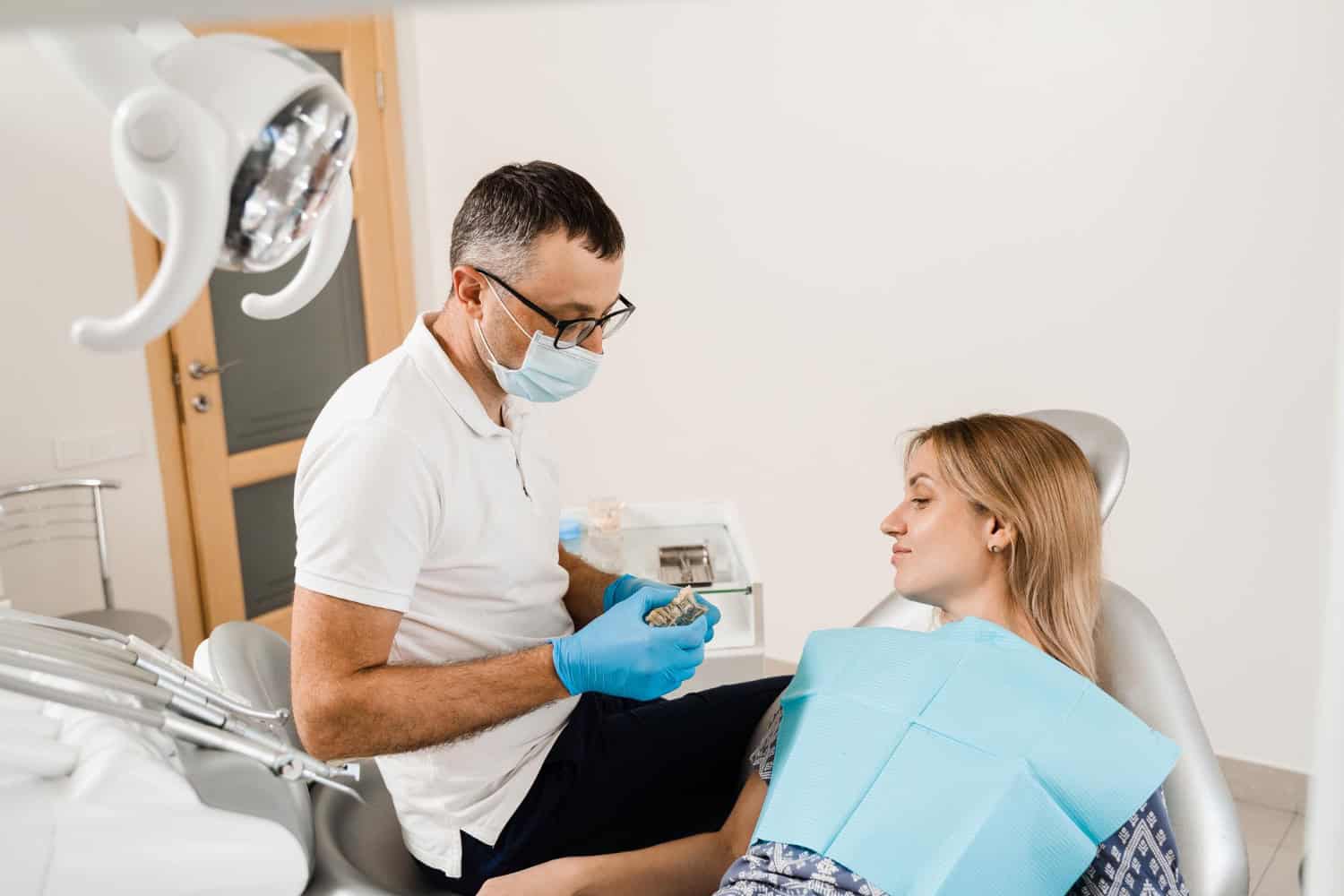
The Getting Veneers Process Step by Step
The full veneer process can be broken into five clear steps. Each step builds on the previous one, starting with a conversation about your goals and ending with the final placement of your custom veneers. Here is what happens at each stage.
Step 1: Initial Consultation and Evaluation
Every veneer journey begins with an initial consultation. During this first appointment, your dentist will examine your teeth and gums to determine whether you are a good candidate for veneers. This evaluation helps the dental team understand your oral health and identify any concerns that should be addressed before treatment begins.
Step 2: Smile Design and Shade Selection
Once your teeth are evaluated, the next part of the process is smile design and shade selection. This is the creative stage where you and your dentist decide how your new smile will look. Shade selection matters because veneers should match your natural teeth and complement your facial features. A clear plan at this stage helps the final result feel personal and natural.
Step 3: Tooth Preparation and Impressions
To prepare a tooth for a porcelain veneer, the dentist first trims the thin top layer of the tooth. After trimming, an acid gel is etched onto the surface of the tooth for about 20 seconds. This step creates a surface that helps the veneer bond firmly. Once the tooth is prepared, impressions are taken so the custom veneers can be fabricated to fit precisely.
Step 4: Temporary Veneers Are Placed If Needed
In many cases, temporary veneers are placed after the teeth are prepared. These temporaries protect the prepared teeth while the permanent veneers are being made. Temporary veneers are not always necessary, but when they are used, they give you a preview of your smile and keep your teeth comfortable in the meantime.
Step 5: Final Placement and Bonding
The final visit is when the custom veneers are placed. The dentist carefully applies each veneer and bonds it to the outermost visible portion of the tooth. Composite resin veneers are built up in layers, while porcelain veneers are bonded as a single custom shell. Once the veneers are in place, your dentist checks the fit and appearance to make sure everything looks and feels right.
What to Expect After Getting Veneers
After your veneers are placed, it may take a short time to get used to the way they feel. Some patients may experience mild sensitivity or notice a slight difference in their bite as they adjust to their new smile. These sensations typically settle, but you should let your dentist know if discomfort continues or becomes more noticeable.
Taking care of your veneers after placement is important for maintaining their appearance and supporting the health of the natural teeth underneath. Continue brushing twice a day and flossing daily, and avoid biting hard objects or using your teeth as tools. If you grind or clench your teeth, your dentist may recommend a custom mouthguard to help protect your veneers.
Regular dental visits also remain important after veneer treatment. Your dentist can monitor the condition of your veneers, check the surrounding teeth and gums, and address any concerns early. With consistent oral hygiene and appropriate care, you can help maintain your veneers and enjoy your updated smile for years to come.
How Many Dental Visits Does Getting Veneers Take?
Patients often wonder how much time the getting veneers process requires. In general, you can expect about three trips to the dentist during the process of placing veneers: one for your consultation, and two for making and placing the veneers. Some dental practices describe the process as taking about two dental visits once the preparation stage is included. The exact number can vary based on your treatment plan and the type of veneer you choose.
Planning for these visits is simple. The consultation gives you time to discuss your goals and receive a thorough evaluation. The following appointments focus on preparing your teeth, taking impressions, and placing the final restorations. If temporary veneers are part of your plan, they keep your smile intact between those appointments.

What Happens During Tooth Preparation?
Tooth preparation is one of the most important parts of the veneer process. The dentist will shave off a thin layer from the front surface of the tooth so that the final veneer does not make the tooth look bulky. For porcelain veneers, the surface is then etched with an acid gel for around 20 seconds. This etching creates a texture on the enamel that gives the bonding material a strong surface to grip.
For patients who choose composite resin veneers, the approach is different. Instead of a custom shell made in a lab, the resin is applied directly to the tooth in layers. Each layer is shaped and hardened until the desired look is achieved. Your dentist will explain which technique is appropriate for your case during the consultation.
Who Is a Good Candidate for Veneers?
Your dentist will determine whether veneers are right for you during the initial appointment. The examination of your teeth and gums helps identify issues that may affect the treatment, such as decay, gum disease, or weakened enamel. Patients with healthy teeth and gums are often well suited for veneers, but every case is evaluated individually.
Being a good candidate also depends on your expectations. Veneers can beautifully conceal cracks, chips, stains, and other cosmetic imperfections, but they are not the right solution for every dental concern. An honest conversation with your dentist about what you want to achieve is the best way to decide if veneers are the right path for your smile.
The Getting Veneers Process at Cornerstone Dental
Cornerstone Dental Group in Westford, MA, is a private boutique practice that provides comprehensive family, cosmetic, and restorative dentistry. Patients from Westford and nearby communities, including Lowell, Chelmsford, Nashua, Tyngsborough, Acton, and Ayer, come to the practice for a high-trust dental home and personalized attention.
The practice uses advanced technology to support a comfortable and accurate experience. AI diagnostics and iTero scanning help the team plan treatment with a high level of precision. For patients who feel anxious about dental visits, the team emphasizes listening, trust, and comfort throughout the getting veneers process.
Because every smile is different, the veneer process at Cornerstone begins with a thorough conversation about your goals. The dental team evaluates your teeth and gums, discusses your options, and builds a treatment plan around your needs. For a single veneer to correct one tooth or a full smile makeover, the process follows the same careful steps: consultation, preparation, and precise final placement.
Frequently Asked Questions
How Many Visits Do Veneers Require?
You can generally expect about three trips to the dentist during the getting veneers process. One visit is for your consultation, and two are for making and placing the veneers. Some practices describe the preparation and placement as two dental visits after the initial appointment. The exact schedule depends on your treatment plan and the type of veneer you choose.
What Happens at the Initial Veneers Consultation?
During the initial appointment, the dentist examines your teeth and gums to determine if you are eligible for veneers. The exam helps identify any underlying concerns that could affect the treatment. This is also the time to discuss your smile goals, review different veneer types, and begin planning the next steps in your treatment.
Are Temporary Veneers Always Needed?
Temporary veneers are placed only if needed. After the teeth are prepared and impressions are taken, temporaries protect the prepared teeth while the permanent veneers are being made. If your case does not require them, your dentist may move directly to the final placement appointment once your custom veneers are ready.
What Is the Difference Between Porcelain and Composite Veneers?
Porcelain veneers are custom-made shells that are carefully bonded to the outermost visible portion of the tooth. Composite resin veneers are applied layer by layer directly onto the tooth surface. Both types can improve the appearance of your smile, but the materials and application methods are different. Your dentist can recommend the option that best fits your goals during your consultation.