
A dental crown is built to protect a damaged tooth, restore its shape, and stand up to years of chewing. Like anything that takes that kind of daily punishment, a crown can eventually wear down, loosen, or fracture. The tricky part is that problems do not always announce themselves loudly. Some show up as a sudden jolt of sensitivity, some as a small chip you catch in the mirror, and others as nothing more than a bite that feels slightly different than it used to.
Knowing which signs matter helps you decide when to call your dentist instead of waiting for a minor issue to grow into a bigger one. Below are the warning signs most often linked to a crown that needs repair or replacement, plus guidance on what to do about each one.
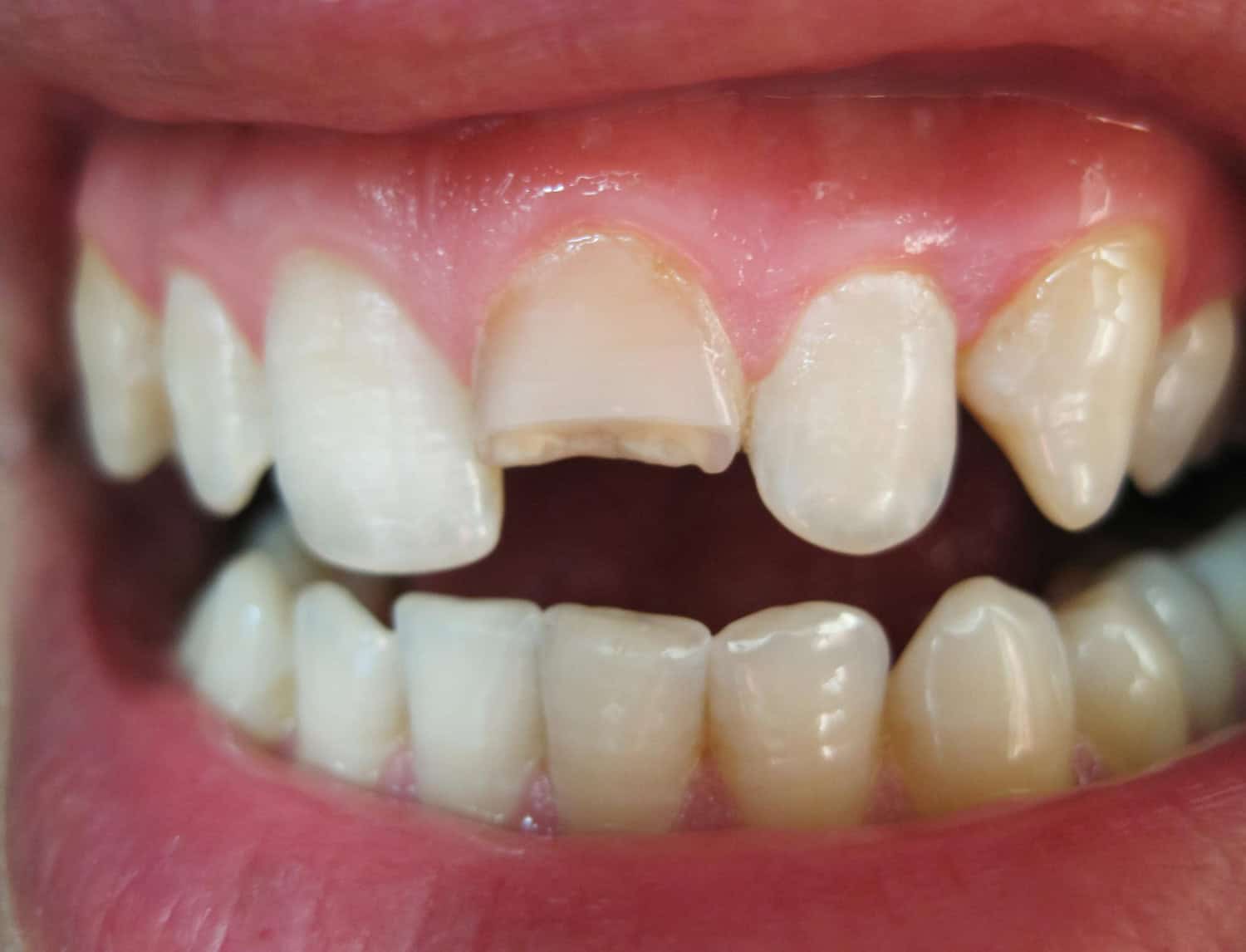
Why a Crown Can Fail Over Time
A crown sits over a prepared tooth and is meant to function like a natural part of your smile. Even the most durable materials can show signs of fatigue with time and use, and a fractured or damaged crown is one of the most common reasons a replacement becomes necessary. Chewing forces, gradual wear, changes in the tooth underneath, and shifts in the gum tissue can all affect how well a crown continues to fit and feel. Not every change means the crown is failing, but symptoms that persist or get worse deserve a professional look.
Warning Signs a Dental Crown Needs Replacement
Dentists look for a fairly consistent set of clues when they evaluate a crown. Some are things you feel, and others are things you can see.
Persistent Pain or Discomfort
Pain that does not settle down is one of the clearest signals that something is wrong. You may notice it when you bite down, when you chew on that side, or as a steady ache that lingers after eating. Occasional twinges can have simple explanations, but discomfort that keeps returning or gradually worsens is a reason to book an exam rather than wait it out.
A Bite That Feels Off or Uneven
A crown should meet the opposing teeth the way it always has. If your bite suddenly feels high, uneven, or just different, that change matters. An altered bite can mean the crown has shifted, worn down, or no longer seats the way it should. Changes in bite or alignment are commonly listed among the signs of crown failure, and they are easy to miss because your mouth adapts quickly to a new normal.
Sensitivity to Hot, Cold, or Sweets
New sensitivity when you drink something hot or cold, or when you eat something sweet, is a common complaint tied to crown problems. It can range from a brief flicker to a sharp sting that makes you avoid certain foods. Sensitivity that appears out of nowhere, or that sticks around longer than a moment or two, is worth mentioning at your next visit.
Visible Cracks, Chips, or Wear
Visible deterioration is one of the most telling indicators that a crown may need to be replaced. That includes cracks, chips, and flat worn spots you can see or feel with your tongue. Over time, even strong materials can chip at the edges or develop small fractures. A fractured crown is a frequent reason for replacement, so run your tongue across the surface occasionally and take a close look in the mirror.
A Loose, Wobbly, or Dislodged Crown
A crown that moves, rocks, or comes off completely is an obvious red flag. Looseness often points to a problem with the cement, the fit, or the tooth underneath, and it should never be ignored. If the crown is still in place but feels unstable, avoid chewing hard foods on that side and call your dentist promptly. If it has come off, keep it safe and ask to be seen soon.
Gum Irritation or Recession Around the Crown
Gum irritation and gum recession are both listed among the signs that a crown may need attention. You might notice redness, tenderness, or puffiness near the edge of the crown, or see that the gumline has moved and more of the crown is showing. Irritated tissue around a crown can make the area harder to keep clean, which is one more reason to have it checked.
Discoloration or Other Appearance Changes
A crown that becomes visibly different from the teeth beside it is a recognized warning sign. Discoloration may show up as a gray line near the gum, a duller surface, or a shade that no longer matches. Cracks, chips, and other visible changes often travel with it. Appearance changes are not automatically a treatment emergency, but they are worth showing your dentist.
A Bad Taste, Odor, or Other Sign of Infection
Signs of infection belong on any list of crown problems, and they can be subtle. A persistent bad taste or an odor around the crown may be one of the clues, and it can point to something that needs treatment. If you also notice swelling, throbbing, or pain, contact your dentist without delaying, since infection is not something to monitor at home.
An Allergic Reaction
An allergic reaction is another possible reason a crown needs repair or replacement, though it is far less common than wear or damage. It may present as irritation or discomfort rather than an obvious defect. If you suspect a reaction to the material in a crown, describe your symptoms clearly so your dentist can evaluate what is happening.
Signs You Can Check for at Home
You do not need dental training to catch most crown problems early. A short, regular self-check can help you notice changes while they are still small.
- Look at the crown in good light for chips, cracks, worn edges, or a gray line near the gum.
- Compare its color with the teeth around it to spot new discoloration.
- Pay attention to how your bite lands when you close your teeth together.
- Notice any new sensitivity to hot, cold, or sweet foods and drinks.
- Feel for movement by gently pressing, and never force a crown that feels loose.
- Check the gumline for redness, tenderness, or recession.
- Watch for a bad taste or odor that does not go away after brushing.
Why Waiting Can Make Things Harder
Signs of crown failure include discomfort, visible damage, and changes in bite or alignment, and ignoring them can lead to complications. That is the pattern dentists see most often: a small chip or a slightly loose crown that gets put off for months, then turns into something more involved to manage. The appointment you avoid today rarely becomes a smaller appointment later.
There is also a comfort factor. A crown that no longer fits well can make chewing unpleasant and push you toward avoiding foods you enjoy. Addressing the problem early keeps eating, speaking, and smiling as normal as possible.
What Happens at a Crown Evaluation
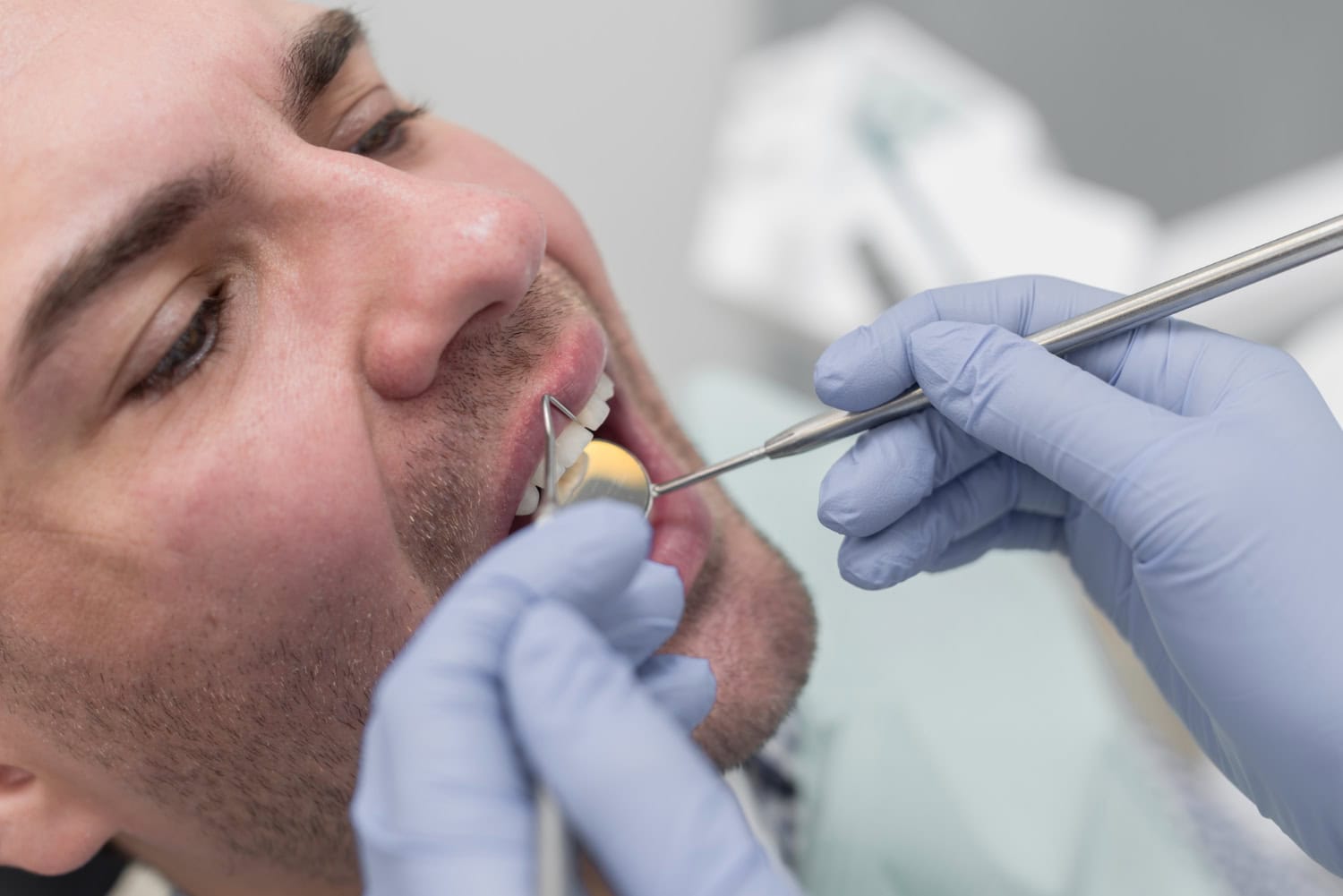
A crown exam is straightforward. Your dentist looks at the crown itself, the margins where it meets the tooth, the gum tissue around it, and the tooth underneath, then checks how your bite comes together. The goal is to figure out whether the crown can be repaired or whether replacement is the better option, and that decision depends on what is actually wrong.
At Cornerstone Dental Group in Westford, MA, evaluations are supported by tools such as AI diagnostics and iTero scanning, which help capture a detailed picture of what is happening above and below the gumline. Patients from Lowell, Chelmsford, Nashua, Tyngsborough, Acton, and Ayer are welcome, and anxious patients can ask questions at any point during the visit.
When to Call Right Away
Some symptoms should not wait for a routine cleaning. Contact your dental office promptly if you have significant pain, swelling, a crown that has come off, or a crown that is loose enough to move when you eat. Any sign of infection also deserves a quick call. Practices that offer emergency dentistry, including Cornerstone Dental Group, can advise you on how soon you should be seen and what to do in the meantime.
Frequently Asked Questions
What are the most common signs that a dental crown needs replacing?
Pain or discomfort, a bite that feels uneven, sensitivity to hot or cold, visible chips or cracks, looseness, gum irritation, discoloration, and a bad taste or odor are the signs dentists most often associate with a crown that needs repair or replacement. Any one of them is reason enough to have the crown examined.
Can a dental crown be repaired instead of replaced?
Sometimes. Whether repair or replacement makes sense depends on what is actually wrong with the crown and the tooth beneath it, and that is a judgment your dentist makes after examining the area. Chips, wear, and looseness are not all the same problem, so have the crown evaluated before assuming it needs to come off.
What should I do if my crown feels loose?
A loose or wobbly crown is one of the clearest signs that something needs attention. Contact your dentist promptly instead of waiting for it to come off on its own, avoid chewing hard foods on that side, and keep the area clean. Your dentist can examine the crown and the tooth beneath it, then recommend the next step.
Does discoloration always mean the crown needs to be replaced?
No. A crown that looks visibly different from the teeth around it is a listed warning sign, but appearance alone does not determine treatment. Discoloration can be reviewed along with the margins, the gumline, and your bite. Your dentist can tell you whether the change is cosmetic, a sign of wear, or something that needs treatment.
When should I call the dentist about a crown problem?
Call when you notice persistent pain, new sensitivity, a changed bite, visible damage, looseness, gum irritation, discoloration, or a bad taste or odor around the crown. Those signs point to a crown that may need repair or replacement. If you have swelling or significant pain, ask about being seen promptly rather than waiting.