
A dental crown is a custom cap that covers a tooth to restore its strength, shape, and appearance. It protects a tooth that has been fractured, heavily filled, root canaled, or otherwise weakened, and it can also top an implant. Crowns are built to last, but they are not permanent. Most dental sources place the average lifespan of a crown somewhere in the range of 10 to 15 years, after which the crown itself, the tooth underneath, or the seal between them may begin to fail.
Patients in Westford, MA and the surrounding communities often ask two questions: how do I know my crown is reaching the end of its life, and what actually happens when it needs to be replaced? The answers come down to what your dentist can see on an exam and X-ray, what you feel day to day, and how well the crown is still protecting the tooth beneath it.
Why Dental Crowns Eventually Need Replacing
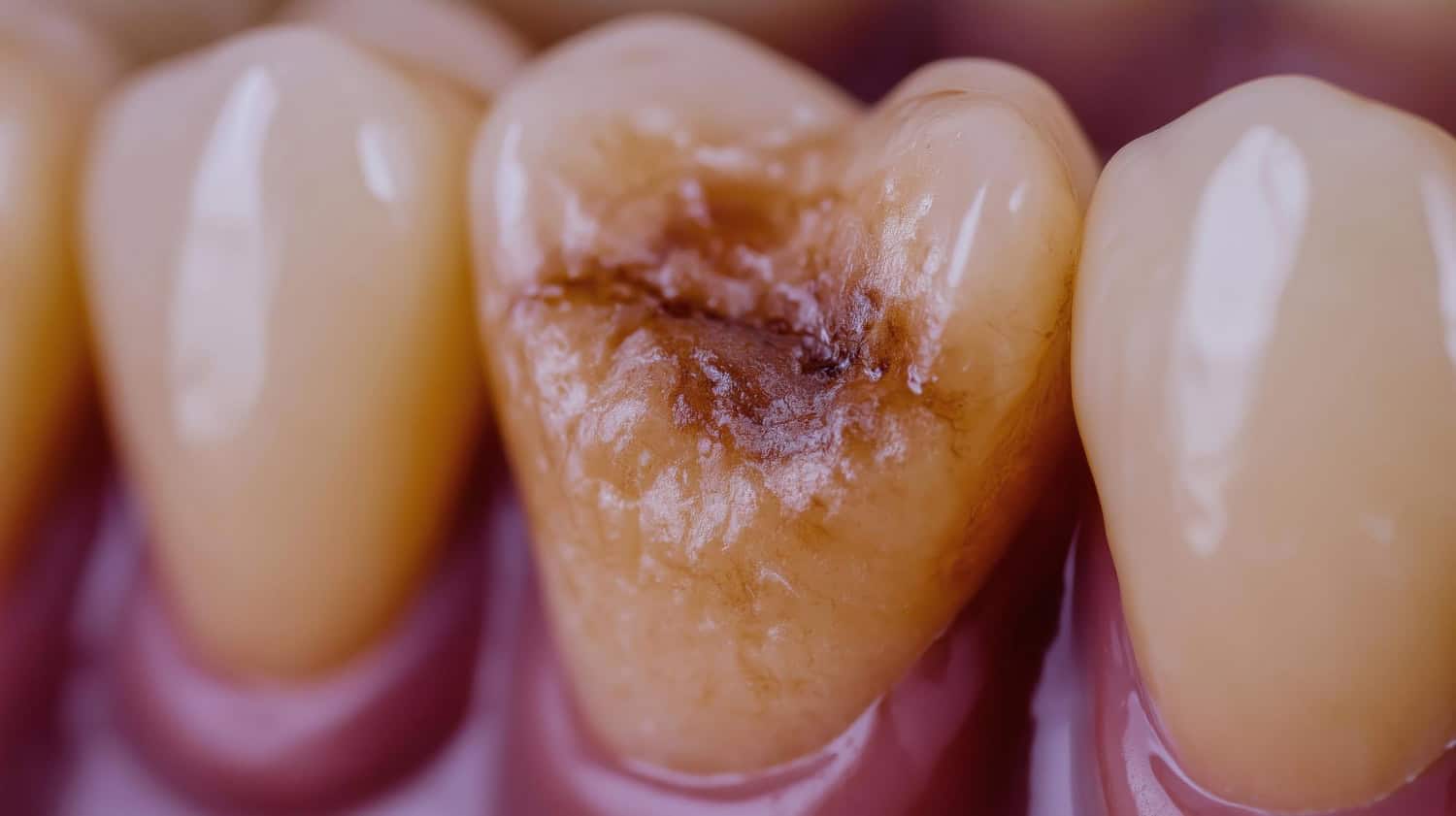
A crown does not sit in a static environment. It is bonded to a living tooth, surrounded by gum tissue, and subjected to years of chewing forces, temperature changes, and the gradual shifts that happen across a mouth over time. Several things can bring a crown to the point of replacement.
- Wear and flattening of the crown surface after years of biting and grinding
- Decay developing in the tooth structure at or under the edge of the crown
- A crack, chip, or fracture in the porcelain or ceramic material
- Breakdown of the cement seal, which allows the crown to loosen
- Gum recession that exposes the margin where the crown meets the tooth
- A root canal or new cavity in the crowned tooth that requires access through the crown
Some of these problems are visible. Others are only detectable with an exam and imaging, which is one reason regular checkups matter even when a crowned tooth feels completely normal.
Signs Your Crown May Need Replacement
A loose or wobbly crown
A crown that moves when you bite down or feels like it shifts slightly is a crown that has lost its seal. Once the cement bond breaks, bacteria can travel under the crown and decay the tooth. A loose permanent crown should be evaluated promptly rather than ignored. Note that a temporary crown coming off is a separate situation, and it is reasonable to ask your dentist to resecure it or to seek another opinion if it keeps failing.
Pain or sensitivity around the crowned tooth
Sharp sensitivity to hot or cold, a dull ache while chewing, or tenderness in the gum near the crown can point to decay, a cracked tooth, or inflammation around the nerve. Pain is a signal that something under the crown has changed, and it typically gets worse rather than better on its own.
A visible dark line at the gumline
On some crowns, a gray or dark line appears where the crown meets the gum. This can be the metal edge of a porcelain-fused-to-metal crown becoming visible as gums recede, or it can indicate decay at the margin. Either way, it deserves a look.
Chipping, cracks, or a rough edge
Small chips can sometimes be smoothed or repaired, but a crack that runs through the crown or a piece that has broken away usually means the crown needs to be remade. A rough edge can also irritate your tongue and trap food.
Food catching or a changed bite
If food consistently packs around one crown, or if your bite suddenly feels uneven, the crown may have shifted or the tooth beneath it may have changed shape. Bite changes are worth mentioning at your next visit, and sooner if they are uncomfortable.
What Happens During a Crown Replacement Appointment
Removing the old crown
The first step is removing the existing crown, usually by carefully cutting it away so the tooth underneath is not damaged. Once the crown is off, your dentist can see the full condition of the tooth, including any decay, cracks, or old filling material. If the tooth needs a build-up, a new core, or a root canal, that is addressed before the new crown is made.
Digital scanning instead of impression trays
Many practices now use intraoral scanning rather than traditional impression trays and putty. At our Westford office, iTero Lumina scanning captures the shape of the prepared tooth and the surrounding bite digitally, which is faster and more comfortable for patients who dislike the gag reflex that trays can trigger. The scan is sent to the dental lab, where the new crown is fabricated to fit your specific tooth.
Fitting and seating the new crown
When the new crown arrives, your dentist checks the fit at the margin, adjusts the bite so your upper and lower teeth meet evenly, and then bonds the crown in place. A well-adjusted crown should feel natural within a short time. If your bite feels high or crowded after the appointment, call the office so it can be refined before it causes soreness or damage to the opposing tooth.
Can a Loose Crown Just Be Re-Cemented?
Sometimes, yes. If the crown is intact, the tooth underneath is healthy, and the crown still fits well, recementing it can be a reasonable short term or even medium term solution. The catch is that the reason the crown came loose still matters. If decay or a fracture caused the failure, cementing the same crown back on simply covers the problem. In those cases, a new crown after treating the underlying issue is the more predictable choice. Your dentist should explain which situation you are in and why.
Materials Used for Replacement Crowns
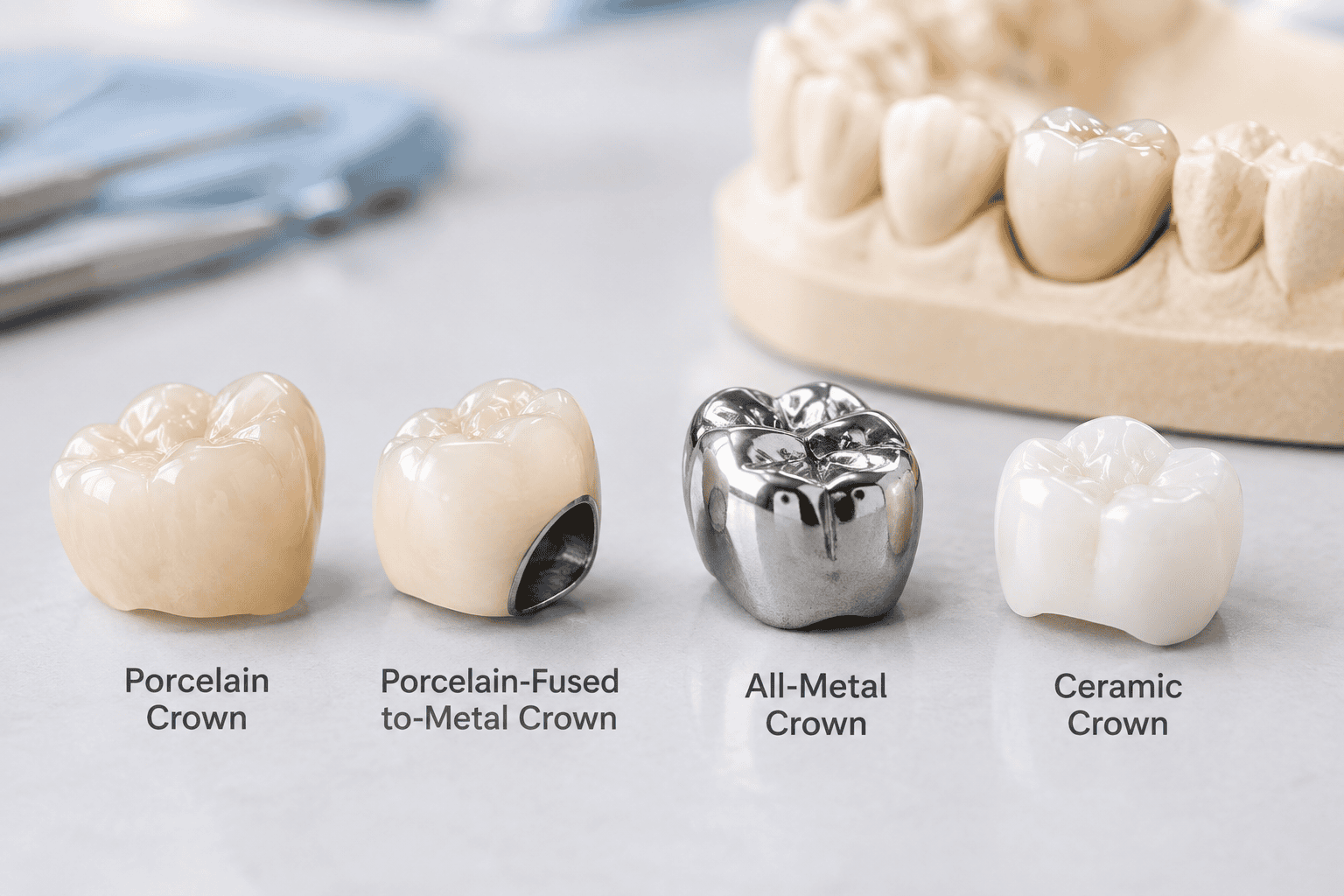
Crowns are commonly made from porcelain or ceramic, which match natural tooth color closely and are a frequent choice for visible teeth. Porcelain-fused-to-metal crowns combine a metal base with a porcelain surface, and all-metal crowns are also used in some situations. If you had an older crown with a visible metal edge, a replacement is a chance to consider a material that blends better with your smile. The right choice depends on which tooth is involved, how much force it takes during chewing, your gum health, and your cosmetic goals.
Does Replacing a Crown Hurt?
The appointment is typically performed with local anesthetic, so the procedure itself should be comfortable. Removing a crown involves vibration and pressure more than pain. Afterward, some patients feel mild gum tenderness or sensitivity around the prepared tooth, particularly if the tooth was irritated beforehand. Cold sensitivity is common while you wear a temporary crown and usually settles once the permanent crown is seated. If pain is sharp, lasting, or getting worse, that is a reason to call rather than wait it out.
What a Replacement Crown Costs and How Insurance Fits In
Crown pricing varies widely based on the material chosen, the lab used, the complexity of the tooth, and whether additional treatment such as a build-up or root canal is needed. Published dental cost databases list porcelain and ceramic crown procedures as their own line item, and figures for a single tooth can climb well into the thousands depending on where you live and what is included. Because those numbers shift and rarely reflect your specific plan, the most reliable approach is to request a written estimate from the practice and ask your dental insurance carrier what percentage of a replacement crown they cover.
Two practical questions to ask before scheduling: is this replacement considered a new crown or a re-cement, since the two are coded and covered differently, and does your plan have a waiting period or frequency limit on crowns for the same tooth.
How to Make a Replacement Crown Last
- Brush twice daily and clean carefully along the gumline of the crown
- Floss or use an interdental brush around the crown every day, since the margin is where decay starts
- Wear a night guard if you grind or clench, because grinding shortens the life of any crown
- Avoid chewing ice, hard candies, and unpopped popcorn kernels
- Keep regular exam and cleaning appointments so problems are caught early
Patients in Westford, Lowell, Chelmsford, Nashua, Tyngsborough, Acton, and Ayer all face the same reality: a crown lasts longest when the tooth and gums around it stay healthy. A crown that is watched at every checkup is far less likely to fail without warning.
Why Patients Choose Cornerstone Dental Group
Cornerstone Dental Group is a private boutique practice in Westford, MA offering general, preventive, cosmetic, and restorative dentistry, including crown and bridge work and emergency care. The office uses advanced technology such as AI diagnostics and iTero scanning to plan treatment and reduce the guesswork in fitting a new crown. For patients who feel anxious about dental visits, the approach is deliberately calm: explain what is happening, show the imaging, and let you decide how to proceed.
If you have a crown that feels loose, looks worn, or simply has been in your mouth for well over a decade, booking an exam is the straightforward next step. Many crowns can be monitored for a while longer. The ones that cannot are usually the ones that fail quietly, and catching them early keeps the repair simpler and less expensive.
Frequently Asked Questions
How do I know if my crown needs to be replaced?
Common signs include a loose or shifting crown, pain or sensitivity when chewing, a visible dark line at the gumline, chipping or cracking, and food catching around the crown. Some failing crowns cause no symptoms at all, which is why an exam and X-ray matter. If your crown is more than ten years old, have your dentist check it at your next visit.
Can I wait to replace a damaged crown?
It depends on what is wrong. A crown with minor surface wear can often be monitored for months or years. A loose crown, a crack, or decay at the margin should be addressed promptly because bacteria can reach the tooth underneath and cause damage that requires more extensive treatment than a simple crown replacement.
Does replacing a crown hurt?
The procedure is done with local anesthetic, so removal and placement should be comfortable. Expect some pressure and vibration rather than pain. Mild gum tenderness and temporary cold sensitivity afterward are common, especially if a temporary crown is worn in between appointments. Sharp or worsening pain should be reported to your dentist right away.
How long should a replacement crown last?
A new crown generally follows the same pattern as the first one, with most sources citing a lifespan of roughly 10 to 15 years. Grinding, diet, hygiene around the margin, and regular dental visits all influence how long it lasts. Some crowns last considerably longer when the underlying tooth stays healthy.
Will dental insurance cover a replacement crown?
Many dental plans cover a portion of crown treatment, but replacement crowns often fall under frequency limits, such as once every several years on the same tooth. Coverage also differs for a re-cement versus a new crown. Ask your carrier what your plan allows and request a written estimate from the practice before scheduling so there are no surprises.