
A damaged or weakened tooth can affect your comfort, chewing, and confidence in your smile. Dental crowns in Westford, MA can help restore the shape, function, and appearance of a tooth while protecting the remaining tooth structure. Crowns may be recommended for teeth affected by extensive decay, trauma, fractures, or significant structural wear.
Understanding when a crown may be appropriate, the types of crowns available, how the treatment process works, and how to care for your restoration can help you make informed decisions about your dental health. This guide explains what to expect from dental crown treatment, from the initial evaluation and crown selection to placement and aftercare.
What Is a Dental Crown?
A dental crown is a custom-made restoration that fits over an existing tooth to restore its shape, size, strength, and appearance. Crowns are commonly used in restorative dentistry when a tooth has been significantly damaged or weakened and may no longer have enough healthy structure to support a conventional filling.
A crown covers the visible portion of the tooth and helps protect the remaining tooth structure while restoring normal function. Depending on the condition and location of the tooth, different crown materials may be considered. Your dentist can evaluate the tooth and recommend the most appropriate dental crown treatment based on your individual needs.

When Should You Consider a Dental Crown?
Dental crowns may be recommended when a tooth has been significantly damaged or weakened and needs additional support or protection. Common situations where a crown may be considered include:
- Extensive decay that leaves too little healthy tooth structure for a conventional filling.
- Trauma or injury that has cracked, chipped, or fractured a tooth.
- A weakened tooth that needs additional protection from further damage.
- A dental implant that needs a crown to complete the restoration.
- A tooth supporting a dental bridge, when a crown is used as part of the bridge restoration.
Porcelain and other tooth-colored crowns can also provide a natural-looking appearance, making them an option when restoring visible teeth. Your dentist can examine the affected tooth and determine whether a crown is appropriate based on its condition, location, and remaining tooth structure.
Types of Crowns Available in Westford
Dental crowns are available in different materials to meet your specific dental needs. The most suitable option depends on the condition of the tooth, its location in the mouth, and your cosmetic preferences. Each type of crown is designed to restore strength, function, and appearance while protecting the natural tooth structure.
Porcelain and ceramic crowns are commonly chosen for their natural-looking appearance, as they closely match the color of surrounding teeth and are often used for visible areas of the smile. Tooth-colored crowns also provide a seamless blend with your natural teeth while restoring durability and function. In some cases, CEREC crowns may be used, which are created using digital technology to help streamline the design and placement process. Your dentist will evaluate your needs and recommend the most appropriate option for your situation.
Same-Day Crown Technology in Westford
CEREC technology has made it possible to complete certain dental crown treatments in fewer visits. Using digital scanning and computer-aided design and manufacturing, a crown can be designed and fabricated with precision based on the shape and needs of the affected tooth.
For patients who are candidates for same-day crown treatment, this approach can simplify the restoration process and reduce the need for multiple appointments. Depending on the treatment plan, the crown may be designed, created, and placed during the same visit.
Same-day crown technology can be particularly convenient for patients who want to minimize treatment time while restoring the function and appearance of a damaged or weakened tooth. Your dentist can determine whether this option is appropriate based on the condition of the tooth and your overall treatment needs.
The Role of Crown Lengthening in Restorative Dentistry
In some cases, a tooth may need additional treatment before a dental crown can be placed. If there is not enough healthy tooth structure visible above the gum line, crown lengthening may be recommended to provide better access to the tooth.
Crown lengthening involves carefully reshaping or removing a small amount of gum tissue and, when necessary, underlying bone to expose more of the tooth. This can create enough space for a crown to be properly placed and supported.
The procedure may be considered when a tooth is severely damaged, fractured below the gum line, or has insufficient visible structure for a restoration. Depending on your treatment needs, crown lengthening may also be part of a broader cosmetic dentistry treatment plan.
Your dentist can determine whether crown lengthening is appropriate based on the condition of the tooth and the type of restoration needed. When it is part of a restorative treatment plan, proper evaluation and coordination can help create the space needed for a well-fitting crown while supporting the health of the surrounding gum tissue.
What to Expect at Your Crown Consultation
A crown consultation allows your dentist to examine your tooth and decide if a dental crown is the right treatment. They may also review your dental history and discuss your concerns and options.
The dentist will check the tooth structure, bite, and appearance needs, and may take X-rays if required.
This is also a good time to ask questions about the procedure, materials, and recovery so you feel fully prepared and comfortable.
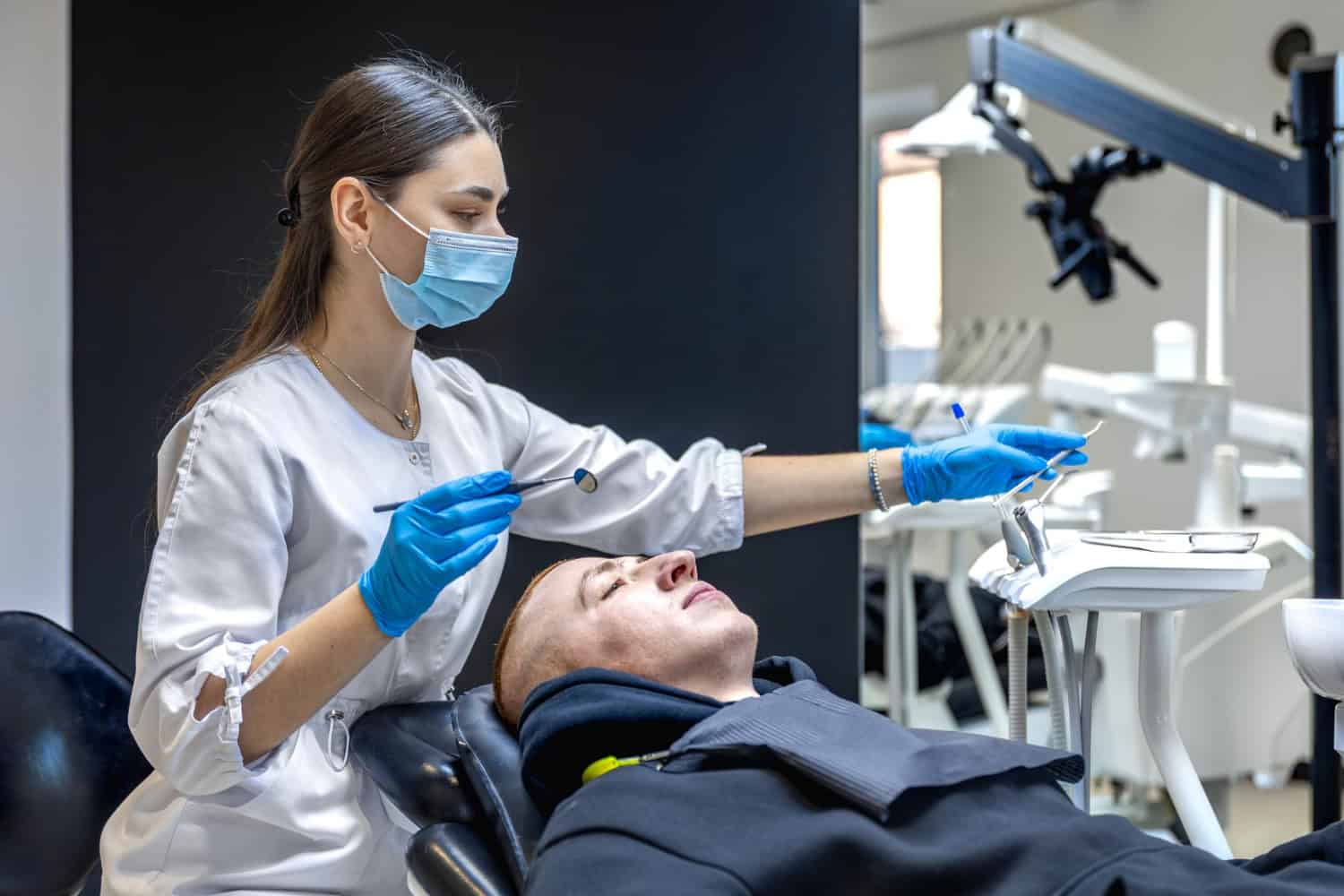
What Happens During a Dental Crown Procedure?
The dental crown procedure typically involves several steps to prepare the tooth and ensure the restoration fits comfortably and functions properly. The exact process can vary depending on the condition of the tooth and the type of crown being used.
1. Examination and Treatment Planning
Your dentist first examines the tooth and surrounding structures to determine whether a crown is appropriate. X-rays or other imaging may be used when necessary to assess the tooth and supporting structures.
2. Preparing the Tooth
If a crown is recommended, the tooth is carefully prepared to create enough space for the restoration. Any damaged or decayed areas may be treated as part of this process while preserving as much healthy tooth structure as possible.
3. Taking an Impression
Your dentist will create a detailed impression or digital scan of the prepared tooth. This information is used to design a crown that fits the tooth and works properly with your bite.
4. Creating the Crown
The crown is fabricated according to the treatment plan and the selected material. Depending on the technology and type of restoration, the crown may be created through a dental laboratory or using digital chairside technology.
5. Placing the Crown
Once the crown is ready, your dentist checks its fit, shape, appearance, and bite before securing it in place. A properly fitted dental crown should feel comfortable and allow the restored tooth to function normally.
6. Aftercare
After the crown is placed, following your dentist’s instructions can help protect the restoration and the surrounding tooth. Maintaining good oral hygiene and attending regular dental visits are important for long-term oral health.
Caring for Your Crown After Treatment
Take care of your crown just like a natural tooth by brushing twice daily, flossing gently around the gumline, and visiting your dentist regularly for check-ups. Good oral hygiene helps reduce plaque buildup and keeps the area around the crown healthy. Avoid biting hard objects such as ice or pens, and be mindful of habits that place extra pressure on your teeth. If you grind or clench your teeth, inform your dentist so they can recommend suitable protection options.
Frequently Asked Questions
How long does a dental crown last?
A dental crown can last for many years when it receives proper care and the underlying tooth and gums remain healthy. Its longevity can depend on factors such as the crown material, oral hygiene, bite, and habits such as teeth grinding. Regular dental check-ups can help your dentist monitor the crown and address potential problems early.
Are same-day crowns available in Westford?
Same-day crowns may be an option for some patients. CEREC technology uses digital scanning and computer-aided design and manufacturing to create a customized crown efficiently. Depending on the condition of the tooth and your treatment needs, the crown may be designed, fabricated, and placed during the same visit. Your dentist can determine whether same-day treatment is appropriate for you.
What is the difference between a crown and a bridge?
A dental crown covers and protects a damaged or weakened tooth, while a dental bridge is used to replace one or more missing teeth. A bridge typically uses crowns or other restorations to support the replacement tooth or teeth. Your dentist can recommend the appropriate restoration based on the number of teeth affected and the condition of the surrounding teeth.
Is a crown needed for a tooth with extensive decay or trauma?
A crown may be recommended when extensive decay, a fracture, or trauma has weakened a tooth and left insufficient structure to support a regular filling. The crown can help restore the tooth’s shape, strength, and function while protecting the remaining tooth structure. Your dentist will evaluate the tooth to determine whether a crown is the appropriate treatment.
How do I know if I need a dental crown?
A dental crown may be considered when a tooth is significantly damaged, weakened, cracked, or extensively restored. Symptoms alone do not always determine whether a crown is needed. Your dentist can examine the tooth, assess the remaining structure, and recommend the most appropriate treatment based on your individual needs.
Restore Your Smile With Dental Crowns in Westford, MA
A damaged or weakened tooth can affect your comfort, oral function, and confidence. Dental crowns can help restore the tooth’s shape, strength, and appearance while protecting the remaining tooth structure. Understanding your treatment options, the crown procedure, and proper aftercare can help you feel more confident about your dental care.
If you have a cracked, weakened, severely decayed, or damaged tooth, don’t wait until the problem affects your daily life. Explore dental crown treatment in Westford, MA with Cornerstone Dental Group and find out whether a crown may be the right solution for your smile. Contact Cornerstone Dental Group today to discuss your dental needs and take the next step toward restoring your tooth’s function and appearance.