
Veneers are one of the most popular cosmetic dental treatments for people who want to improve the appearance of their smile. For patients in Westford, MA, veneers offer a way to change the shape, color, and overall look of the front teeth. But before committing to the treatment, most people ask the same question: how long do veneers last? The honest answer is that it depends. Most dental sources place the average lifespan of veneers somewhere between 10 and 15 years, though some estimates range from 5 to 15 years or longer. The material you choose and the way you care for your smile make a real difference.
What the Research Says About Veneer Lifespan
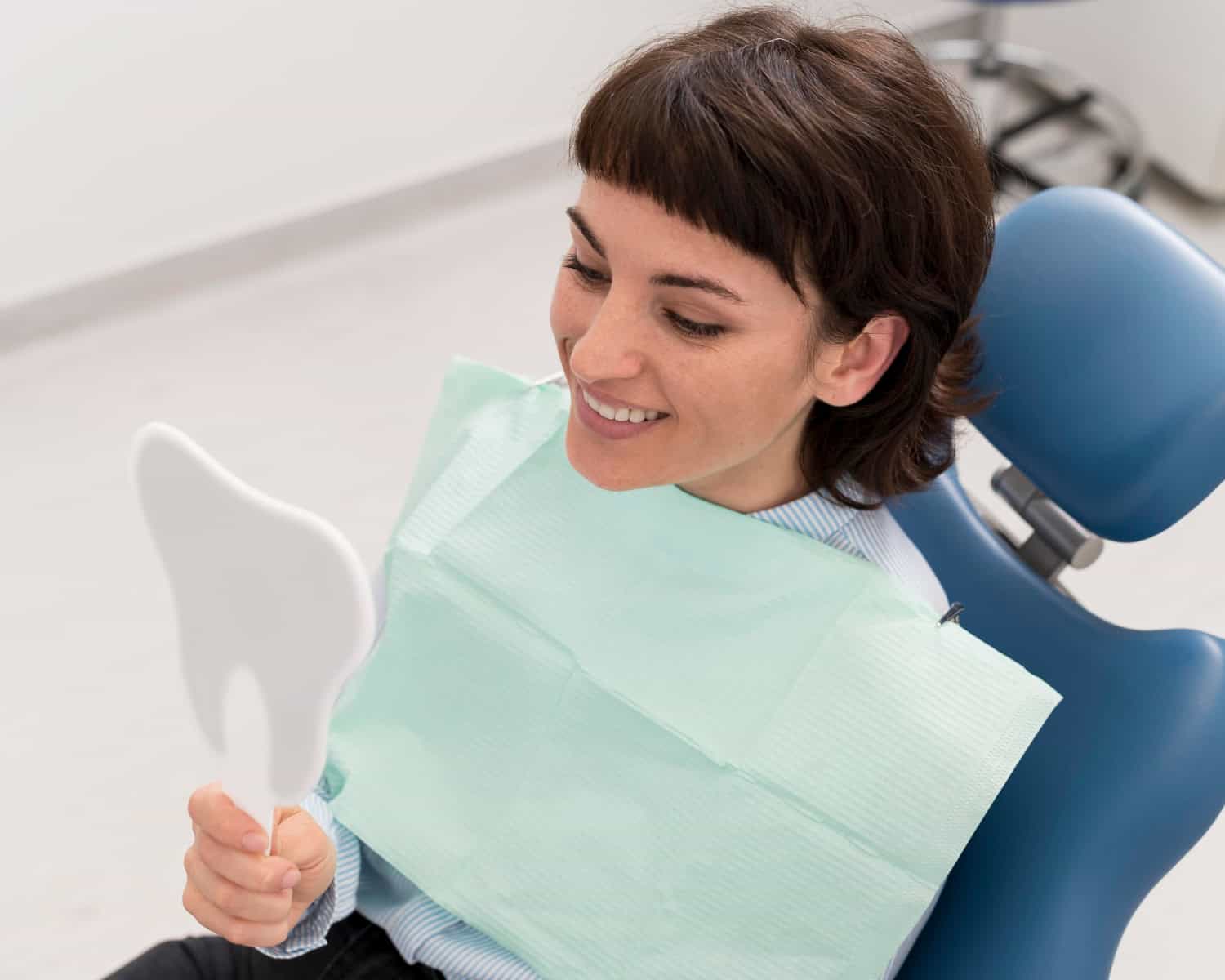
Research on veneer longevity shows that porcelain veneers can provide long-lasting results when they are properly cared for. Studies have found that a high percentage of porcelain veneers remain functional after 10 years, with many continuing to perform well beyond that point. In general, patients can expect veneers to last around 10 to 15 years, although individual results can vary.
Veneer lifespan is not the same for everyone. The material used, oral hygiene, daily habits, and the health of the teeth and gums underneath all play a role. Porcelain veneers generally last longer than composite veneers, while good oral hygiene and regular dental visits can help protect both the veneers and the natural teeth supporting them. With consistent care, many patients can enjoy their veneers for many years before replacement becomes necessary.
Porcelain Veneers
Porcelain veneers are generally the longer-lasting choice. Most dental sources place their lifespan at 10 to 15 years, and one source reports that porcelain veneers can last 15 to 25 years with proper care. Porcelain is a durable material, and that durability shows up in the survival rates reported in the research.
Composite Veneers
Composite veneers offer a more conservative option, but they do not last as long as porcelain. Typical estimates place composite veneers at 5 to 7 years, while some sources report a range of 5 to 10 years. Patients who choose composite veneers should expect to discuss maintenance or replacement sooner than they would with porcelain.
Veneer Lifespan at a Glance
The table below summarizes the lifespan ranges reported across dental sources.
| Veneer Type | Typical Lifespan | Notes From the Research |
|---|---|---|
| Porcelain | 10 to 15 years | One source reports 15 to 25 years with proper care; about 85 percent still functional at 15 years in one review |
| Composite | 5 to 7 years | Other estimates range from 5 to 10 years |
Why Do Some Veneers Last Longer Than Others?
Veneer longevity can vary from patient to patient. While the type of material plays an important role, your daily habits and overall oral health also affect how long your veneers remain in good condition. Porcelain veneers generally last longer than composite veneers, while the quality of the materials and the condition of the teeth and gums underneath can also influence their durability.
Taking care of the natural teeth beneath and around your veneers is especially important. Good oral hygiene helps reduce plaque buildup and supports healthy gums, which can help protect the foundation of your veneers. Regular dental visits also allow your dentist to check the veneers and address potential concerns before they become more serious.
Several factors can influence how long your veneers last:
- Veneer material: Porcelain generally has a longer lifespan than composite.
- Material quality: The quality and proper placement of the veneers can affect their durability.
- Oral hygiene: Brushing twice a day and flossing daily help protect the veneers, teeth, and gums.
- Daily habits: Avoiding habits that can damage veneers, such as biting hard objects, can help extend their lifespan.
- Regular dental care: Routine dental visits allow your dentist to monitor the condition of your veneers and overall oral health.
Maintenance Tips for Westford Patients
For patients in Westford, MA, protecting veneers starts with consistent oral hygiene and healthy daily habits. Brushing your teeth twice a day and flossing daily can help remove plaque and food particles around the veneers. Pay particular attention to the areas where the veneers meet the natural teeth, as keeping these areas clean helps support healthy teeth and gums.
Your daily habits can also affect how long your veneers last. Avoid biting hard objects or using your teeth to open packages, as these habits can put unnecessary pressure on veneers. If you grind or clench your teeth, talk with your dentist about whether a custom mouthguard may help protect your veneers.
Regular dental visits are another important part of veneer maintenance. Your dentist can check the condition of your veneers, monitor the health of the underlying teeth and gums, and identify potential concerns early.
To help maintain your veneers:
- Brush twice a day with a soft-bristled toothbrush
- Floss daily to keep the areas around your veneers clean
- Avoid biting hard objects or using your teeth as tools
- Protect your veneers from excessive pressure caused by grinding or clenching
- Keep up with routine dental visits to monitor your veneers and oral health
What Happens When Veneers Reach 15 Years?
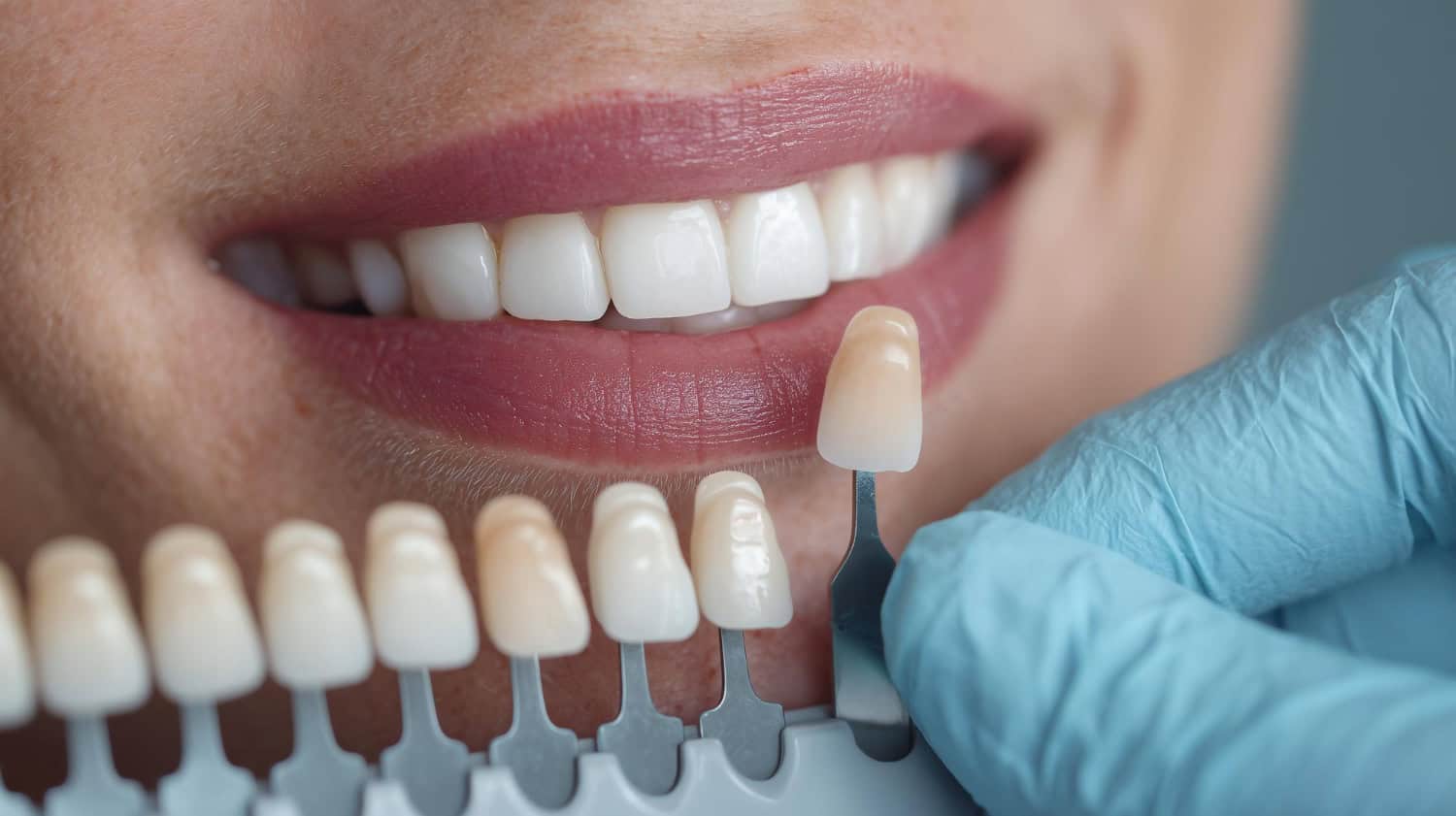
Reaching the 15-year mark does not necessarily mean your veneers need to be replaced. Some porcelain veneers continue to function well beyond 10 years when they are properly cared for, while others may need repair or replacement sooner. The condition of each veneer, the natural tooth underneath, and your overall oral health all play a role.
Veneers can also age at different rates. One veneer may develop a concern while the others remain in good condition. During routine dental visits, your dentist can check for signs of wear, damage, changes around the edges, or problems with the underlying teeth and gums.
For Westford patients, the best approach is to focus on the condition of the veneers rather than a specific replacement date. Porcelain veneers generally have a longer lifespan than composite veneers, but proper oral hygiene, healthy daily habits, and regular dental care can help you get the most from your treatment. If your veneers are approaching 15 years or you notice changes in their appearance or condition, a dental evaluation can help determine whether they can continue to be maintained or whether replacement may be appropriate.
Conclusion
Veneers can provide a long-lasting way to improve the appearance of your smile, but their lifespan depends on the material, oral hygiene, daily habits, and overall dental health. Porcelain veneers generally last longer than composite veneers, and proper care can help you get the most from your investment. If you are considering veneers in Westford, MA, or your existing veneers are showing signs of wear, talking with a dental professional can help you understand your options. Contact Cornerstone Dental Group to discuss your smile goals and find out whether veneers are right for you.
Frequently Asked Questions
How long do veneers last?
Veneers commonly last around 10 to 15 years, although the exact lifespan varies from person to person. Porcelain veneers generally last longer than composite veneers. Your oral hygiene, daily habits, the condition of your natural teeth, and regular dental care can all affect how long your veneers remain in good condition.
Do porcelain veneers last longer than composite veneers?
Yes. Porcelain veneers generally have a longer lifespan than composite veneers. Porcelain veneers commonly last around 10 to 15 years or longer with proper care, while composite veneers often need maintenance or replacement sooner.
What can I do to make my veneers last longer?
Good oral hygiene is one of the best ways to protect your veneers. Brush twice a day, floss daily, avoid biting hard objects, and maintain regular dental visits. If you grind or clench your teeth, ask your dentist whether a mouthguard may help protect your veneers.
Can veneers last longer than 15 years?
Yes. Some veneers can remain in good condition for more than 15 years, particularly when they are properly maintained. However, there is no fixed lifespan for every patient. Your dentist can evaluate the condition of your veneers and the natural teeth underneath to determine how well they are holding up.
How do I know when my veneers need to be replaced?
Veneers may need repair or replacement if they become damaged, worn, loose, discolored, or no longer fit properly. Changes around the edges of the veneers or problems with the underlying teeth and gums may also require attention. Regular dental examinations can help identify these concerns and determine whether replacement is necessary.