
Dental bonding is one of the fastest ways to improve the appearance of a tooth. A tooth-colored composite resin is shaped directly onto the tooth to repair a chip, close a small gap, or adjust the shape and color of a tooth. It is a versatile treatment used in cosmetic dentistry to enhance your smile while preserving the natural tooth structure. Dental bonding is also reversible, which makes it different from more permanent cosmetic options such as porcelain veneers.
The question patients ask most is straightforward: how long does dental bonding last? Published estimates place its lifespan within a range rather than a single number. Where a case falls within that range depends on factors such as where the bonding is placed, how much of the tooth was restored, bite pressure, daily habits, and how well the material is cared for afterward. Below is what current guidance suggests, along with practical steps that can help dental bonding last longer.
How Long Dental Bonding Lasts: The Short Answer
Most sources place the lifespan of dental bonding between three and 10 years. Cleveland Clinic reports that the material typically lasts three to 10 years before it needs to be touched up or replaced. Other clinical sources land in a similar range, with some narrowing the window and others extending it. If you are considering bonding as part of cosmetic dentistry, your dentist can assess your tooth structure, bite, and treatment goals to help determine what to expect.
Why the Range Is So Wide
Bonding is not one single procedure. It covers everything from a tiny chip repair to a cavity filling, and the conditions around the resin differ from patient to patient. Three variables stand out.
Where the Bonding Sits in the Mouth
Front teeth handle biting and appearance, while back teeth absorb the force of chewing. Bonding placed where the bite lands directly, or on an edge that meets a neighboring tooth, faces more stress than bonding on a surface that stays out of the way. That mechanical load is one reason two people can have the same procedure on the same day and see very different lifespans.
How Much Enamel Was Lost
WebMD notes a clear pattern: when bonding is used to fill a cavity, it can last more than 10 years, but when more enamel has been lost, the expected lifespan drops to five to 10 years. The less natural tooth structure remains to support the resin, the more the material has to carry on its own.
Cosmetic Versus Restorative Use
Bonding used to close a gap or reshape a tooth is often thinner and more exposed than bonding used to restore a cavity. Cosmetic bonding also tends to sit on a visible surface where staining and minor chips show up early, which often prompts a touch-up before the material actually fails.
What Speeds Up Wear and Tear
Composite resin is durable, but it is not as hard as enamel or porcelain. Anything that puts sudden force on the bonded area shortens its life. The Cosmetic Dental Practice points out that accidents and biting hard foods are among the issues that shape how long composite bonding lasts. Everyday habits add up as well.
- Chewing ice, hard candy, or unpopped popcorn kernels
- Biting fingernails or holding objects between the teeth
- Opening packaging with the teeth
- Grinding or clenching, especially during sleep
- Frequent exposure to dark drinks and other staining agents
Care Tips to Extend the Life of Dental Bonding
The encouraging part is that the same habits that protect natural teeth also protect bonding. Good oral hygiene, careful eating habits, and regular dental care can help the material stay smooth, sealed, and matched to the surrounding tooth for longer.
Brush Gently With a Soft Bristle Brush
Vigorous brushing can wear down the polished surface of composite resin and roughen the edge where bonding meets enamel. A soft-bristle brush and light pressure can clean these surfaces without unnecessary abrasion. If you tend to brush too hard, easing up can help protect both the bonding and your natural teeth.
Keep the Margins Clean
The seam where resin meets the tooth needs careful attention. Plaque that collects around this area can contribute to staining and may increase the risk of decay around the bonding. Flossing daily and cleaning around the bonded tooth helps keep the area healthy and looking natural.
Limit Staining Drinks and Foods
Composite resin can pick up color over time, particularly with frequent exposure to coffee, tea, red wine, cola, and dark-colored foods. Cutting back on these items, rinsing with water afterward, and using a straw for cold drinks can help reduce exposure. Bonding can also be professionally polished if the surface starts to look dull or stained.
Watch What You Bite Down On
Hard foods and non-food objects can cause chips that lead to premature repair or replacement. Cutting apples and carrots into smaller pieces, avoiding ice, and never using your teeth as tools are simple ways to protect bonded teeth. Front-tooth bonding can be especially vulnerable to sudden biting forces.
Address Grinding
If you wake with a sore jaw or your dentist has noticed signs of tooth wear, ask whether a custom night guard could help. Grinding and clenching can place excessive pressure on both bonding and natural teeth, increasing the risk of chips or damage.
Keep Regular Dental Appointments
Professional cleanings remove buildup that home care may miss and give your dentist an opportunity to check the edges of existing bonding. A small rough spot or minor chip may be easier to address before it becomes a larger problem. Regular exams can also help identify decay or other changes around older bonding.
Signs Your Bonding Needs Attention
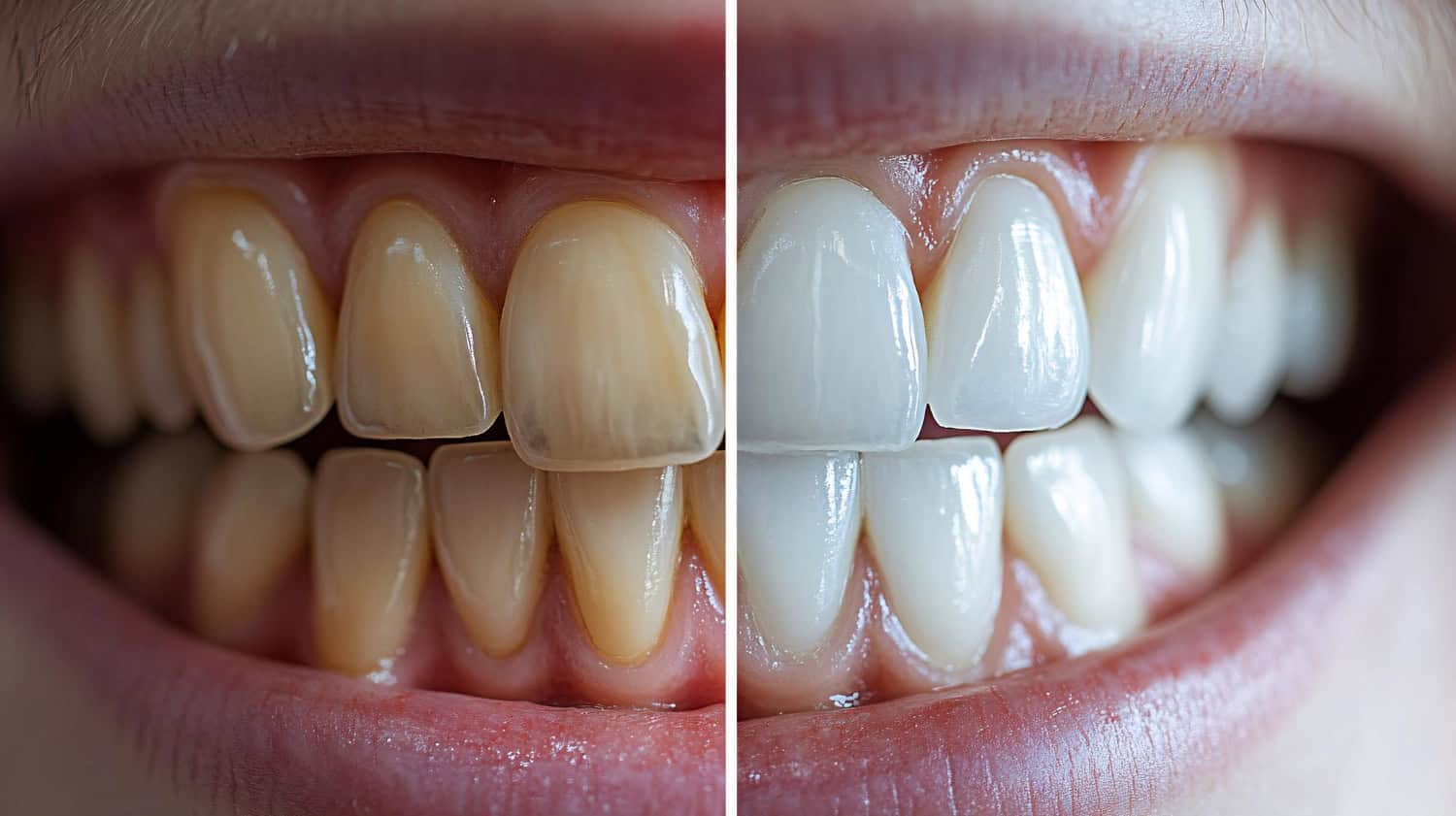
Bonding rarely fails without warning. Common signals that it is time for a visit include:
- A chipped or jagged edge you can feel with your tongue
- Dark lines or shadowing along the edge of the resin
- Surface staining that does not respond to brushing or polishing
- A change in how the tooth meets its neighbor when you floss
- Sensitivity at the bonded tooth
Any of these is worth a call. A small repair is usually quicker and less involved than waiting until the material breaks away entirely, and the underlying tooth stays better protected when the edge is sealed.
Touch-Up or Replacement
When bonding reaches the end of its useful life, it is either touched up or replaced. Cleveland Clinic notes that the material typically lasts three to 10 years before it needs to be touched up or replaced, and that bonding is reversible, meaning the procedure does not permanently alter the tooth the way some other cosmetic treatments do. That reversibility is one reason bonding is often chosen as a first cosmetic option for patients who want to test a change before committing to something more involved.
Caring for Bonding in Westford, MA
Patients in Westford and the surrounding communities, including Lowell, Chelmsford, Nashua, Tyngsborough, Acton, and Ayer, can have bonding checked, polished, or replaced at Cornerstone Dental Group. The practice offers cosmetic and restorative dentistry alongside general and preventive care, and uses tools such as AI diagnostics and iTero scanning to plan treatment and monitor changes over time. If a bonded tooth chips, emergency dentistry is available.
Frequently Asked Questions
How long does dental bonding last on average?
Most published estimates place dental bonding between three and 10 years. Absolute Dental reports that most patients get five to seven good years from the procedure, while Cleveland Clinic cites a three to 10 year range before the material needs a touch-up or replacement. Placement, bite forces, and daily habits all shift where an individual case lands inside that window.
Does bonding last longer when it is used as a filling?
According to WebMD, bonding used to fill a cavity can last more than 10 years, while bonding that covers an area where more enamel has been lost typically lasts five to 10 years. The difference comes down to support. The more natural tooth structure remains around the resin, the less stress the material carries on its own.
Can dental bonding be touched up instead of replaced?
Yes, in many cases. Sources describe bonding as a material that eventually needs a touch-up or replacement. Minor chips, rough edges, and surface dullness can often be addressed without redoing the entire restoration, which is one reason regular dental visits matter. Your dentist can tell you which option fits your situation.
Does oral hygiene really affect how long bonding lasts?
It does. Durability is influenced by oral hygiene practices, including regular brushing, according to published guidance on bonding longevity. Clean margins around the bonded area reduce staining and lower the risk of decay forming underneath the resin, while gentle brushing protects the polished surface from unnecessary wear.
Is dental bonding permanent?
No. Dental bonding is expected to need touch-ups or replacement after several years of service. Cleveland Clinic notes that bonding is reversible, unlike porcelain veneers, so the procedure does not permanently commit you to one look or one treatment path. Many patients treat bonding as a maintenance item rather than a one-time fix.
Give Your Dental Bonding a Longer Life
Dental bonding can provide a simple way to improve your smile, but its longevity depends on your daily habits and oral care. Avoiding hard foods, protecting your teeth from grinding, maintaining good hygiene, and keeping regular dental visits can help your bonding last longer. If your bonding has chipped, stained, feels rough, or needs a touch-up, Cornerstone Dental Group can evaluate the bonded tooth and recommend the right next step. Schedule your dental visit today and keep your smile looking its best.