
A small chip can change the way you greet people. A stain on a front tooth can make you hesitate before smiling in photos. When minor flaws make you cover your mouth or turn away from the camera, dental bonding in Westford, MA may be the straightforward solution you need. This cosmetic treatment uses tooth-colored composite resin to repair damage and improve appearance, often in a single visit.
Patients appreciate bonding because it balances results with simplicity. There is no laboratory wait, no temporary restoration, and no complex scheduling. Instead, your dentist reshapes and repairs the tooth directly in the office. The final outcome is a natural-looking smile that still feels like your own.
What Is Dental Bonding?
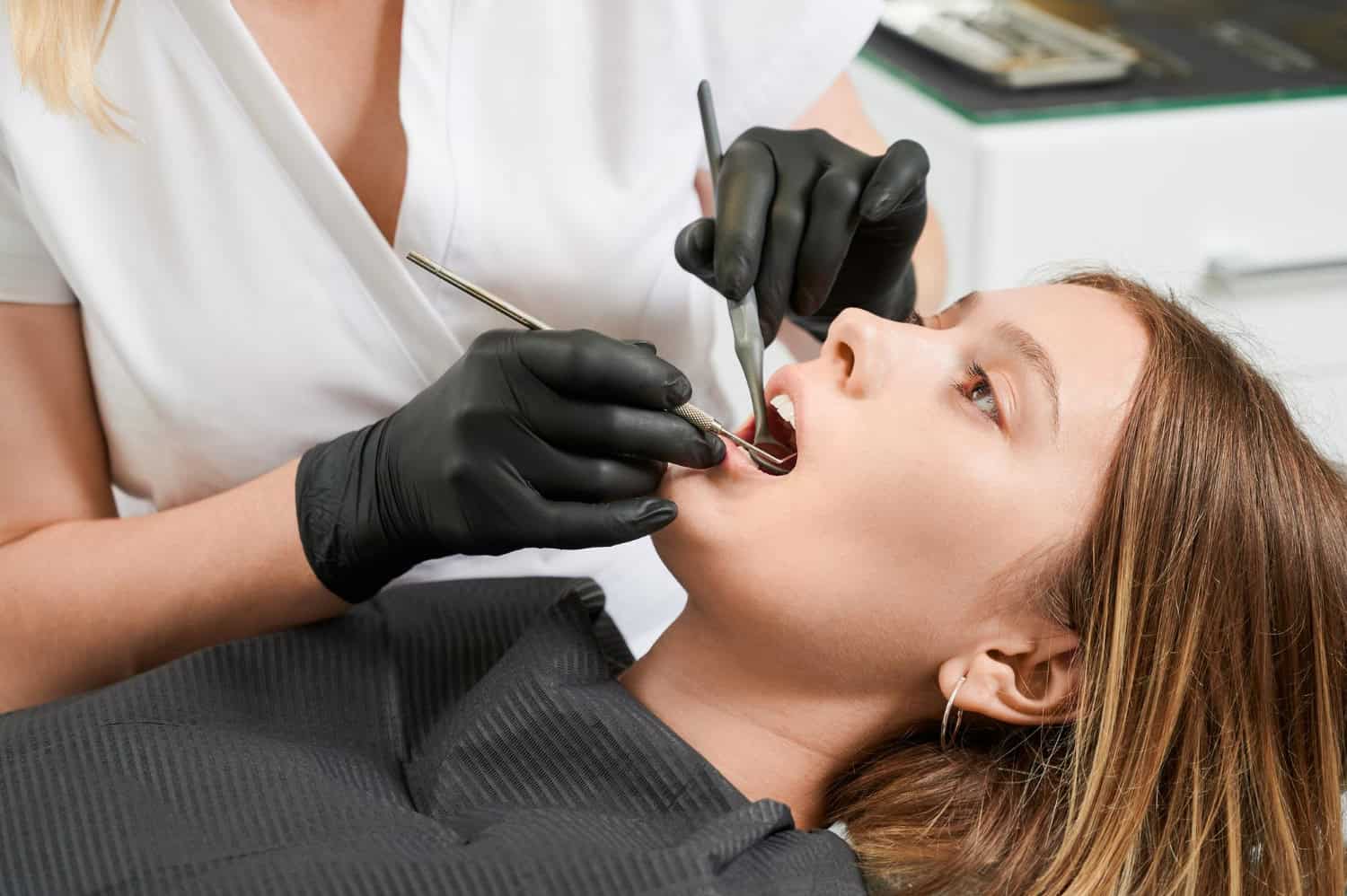
Dental bonding is a cosmetic procedure that allows the dentist to reshape or repair your smile using composite resin. During treatment, the dentist applies a tooth-colored material to the visible surface of the tooth, sculpts it into the desired shape, and permanently bonds it in place. Because the resin is color-matched to the rest of your smile, the repaired area is hard to spot.
Bonding is a gentle introduction to cosmetic dentistry for many patients. It can correct a chipped edge, refine a pointed tooth, and cover discoloration that whitening cannot resolve. The dentist controls the shape closely, so the result can be customized to complement your face and your existing teeth. Patients often describe bonding as a quick and easy solution for a tooth that has been bothering them.
The treatment is also practical. Bonding is affordable, long lasting, and can usually be done without any tooth reduction. Those qualities make it a popular starting point for people who want visible improvement without a complicated plan.
Common Smile Problems Bonding Can Fix
Westford residents turn to dental bonding for a variety of cosmetic and restorative concerns. Although every smile is different, most bonding cases fall into a few familiar categories:
- Chipped or damaged teeth that need structural repair
- Uneven teeth that make the smile look asymmetrical
- Discolored or stained teeth that do not respond to whitening
- Small gaps between teeth
- Minor imperfections in tooth shape or proportion
Dental bonding can repair minor imperfections, improve tooth shape, and restore damaged teeth, all while preserving your natural tooth structure. That last point matters. You do not have to trade away healthy enamel for a better-looking smile. Bonding builds on what you already have, which is why it is often the first recommendation for conservative cosmetic improvement.
Preserving Natural Tooth Structure
Some cosmetic treatments require removing a thin layer of enamel so a veneer or crown fits properly. Bonding follows a different philosophy. In most cases, it can be completed without any tooth reduction. The composite resin adheres directly to the prepared tooth surface, so your natural tooth stays largely intact.
Preserving natural tooth structure is good for the long-term health of your smile. When enamel is left in place, the tooth remains stronger and the treatment feels less invasive. If you tend to feel anxious about dental visits, this conservative approach may put you at ease. Your Westford dentist will always explain what preparation, if any, is needed before placing bonding.
A Cost-Effective Alternative to Veneers
Veneers are a popular path to a flawless smile, but they are not the only option. Dental bonding is a cost-effective alternative to veneers. A natural-looking composite resin is carefully shaped and applied to a tooth that is discolored, uneven, or slightly damaged. Patients who want visible improvement without a larger commitment often choose bonding as their starting point.
Bonding can also be an alternative to more invasive or costly procedures such as orthodontics. When a tooth is mildly uneven, the dentist can add composite material to balance the smile without moving the teeth. However, bonding is not meant to replace orthodontic treatment for bite problems or significant misalignment.
Of course, some smiles need a little more cosmetic dentistry help than bonding can provide. Complex cases may benefit from veneers or other restorative options. An honest evaluation in a Westford, MA dental office will help you understand whether bonding is enough or whether a different treatment fits better.
One-Visit Bonding: What to Expect
Time is precious, and dental bonding respects that. In many cases, bonding is completed in one visit, which means you can walk out of the office with a renewed smile the same day. There are no temporaries to protect and no second appointment to schedule.
During the visit, your dentist evaluates the tooth and chooses a composite resin shade that matches your natural color. The tooth surface is prepared so the material can form a strong bond. The dentist then applies the resin, carefully shaping it to rebuild the missing or damaged portion of the tooth. Once the shape looks right, the resin is polished so it blends smoothly with surrounding enamel.
Because bonding usually involves little or no tooth reduction, most patients find the appointment comfortable. The procedure is precise and often brief enough to fit into a busy day. A chip, stain, or gap that has bothered you for months can be resolved before you head back to your routine.

Bonding and Everyday Confidence
Teeth play a central role in first impressions. When one tooth looks chipped or discolored, people often notice it more than you do. Repairing that tooth removes the distraction and lets the rest of your smile shine. Patients who choose bonding regularly mention how much less self-conscious they feel in conversations, meetings, and photographs after treatment.
Bonding also gives you room to improve other aspects of your smile over time. A dentist can pair bonding with additional cosmetic care if you want a fuller makeover. The goal is simple: you should feel comfortable opening up and smiling without worrying about one imperfect tooth.
Is Dental Bonding Right for You?
Cosmetic bonding is particularly ideal if you are insecure about the appearance of your smile or you want an affordable alternative to more invasive and costly procedures. Common candidates include people with a chipped front tooth, a single discolored tooth, or slightly uneven edges. Repairing those flaws can restore self-confidence and make ordinary moments, like laughing with friends, feel natural again.
Bonding is not the answer for every smile concern. Severe misalignment, extensive decay, or large structural damage may require orthodontics, crowns, or veneers instead. The right way to decide is to talk with a dentist who listens to your goals and examines your teeth. In a short consultation, you can learn how bonding works, see whether your tooth is a good candidate, and choose a plan that fits your expectations.
Frequently Asked Questions
What can dental bonding fix?
Dental bonding repairs chipped, uneven, and damaged teeth while also improving the look of discolored teeth. A dentist can use composite resin to reshape a tooth, restore its structure, and cover stains. For many people, bonding is a quick cosmetic solution for minor flaws that affect their confidence. It is not designed for severe misalignment or extensive damage.
Does dental bonding remove tooth enamel?
In most cases, bonding requires no tooth reduction. Unlike some other treatments, it preserves your natural tooth structure, making it a conservative option for smile enhancement. The composite resin is applied directly to the tooth, so you keep more of your healthy enamel. Your dentist will confirm how much preparation is needed during your examination.
How is dental bonding different from veneers?
Bonding is a cost-effective alternative to veneers. A natural-looking composite resin is shaped and applied directly to the tooth during the appointment. Veneers typically involve a more involved process and a larger investment. Some smiles need more extensive cosmetic help than bonding offers, and in those situations, veneers may provide the stronger result.
How long does bonding last?
Dental bonding is described as long lasting, especially when the teeth are cared for properly. The composite resin is permanently bonded to the tooth, so the repair remains in place during everyday use. Routine dental visits are important because your dentist can check the bonded area and keep it in good condition over time.
If you would like to learn whether dental bonding in Westford, MA is the right fix for your chips, gaps, or stains, the team at Cornerstone Dental Group is here to help. Care begins with listening, so you can share your concerns and ask questions without feeling rushed. Call (978) 692-6012 or request an appointment to take the first step toward a smile you feel good about.