
A dental crown is a tooth-shaped cap that restores a decayed, broken, weak, or worn-down tooth. Dentists also use crowns to cover dental implants and teeth that have been treated with a root canal. If your Westford dentist has recommended a crown, you may be wondering how the process works and what your appointments will involve. The procedure is routine and safe, and knowing what happens at each step can make your visit feel much more comfortable.
For patients at Cornerstone Dental Group in Westford, dental crowns are one of the most common restorative treatments. A crown can strengthen a weakened tooth, extend its life, and restore the natural appearance of your smile. The entire process is designed to be as gentle and precise as possible, and modern tools such as digital impressions make the experience smoother than traditional methods.
Why a Dental Crown May Be Recommended
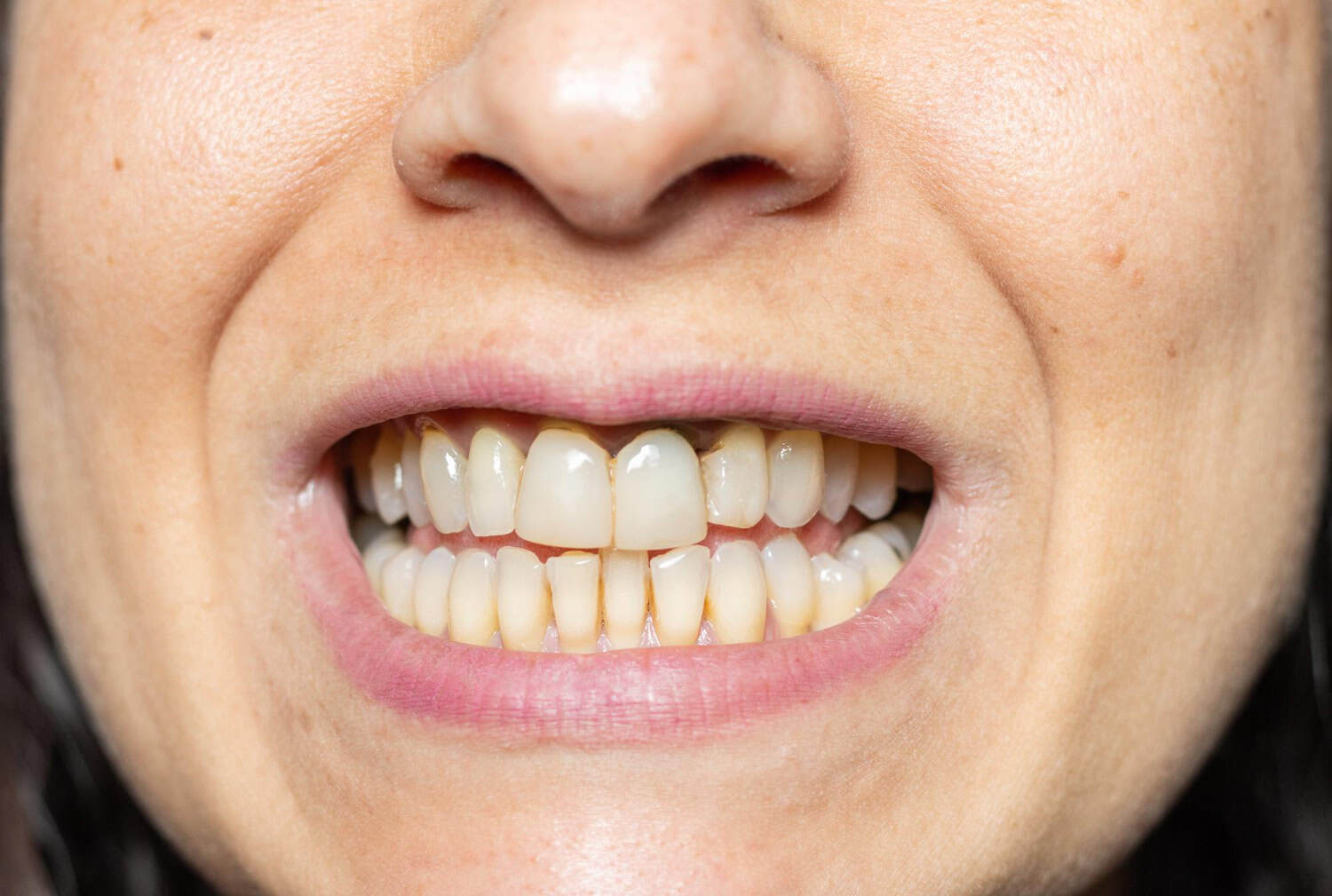
A dentist may recommend a dental crown when a filling is insufficient to repair the tooth or when the tooth is malformed. Crowns are used to protect, cover, and restore the tooth’s structure. They are especially useful when a tooth has lost a significant amount of its natural structure and needs extra support.
- A tooth that is decayed beyond what a filling can repair
- A tooth that is broken, weak, or worn down
- A tooth that has undergone root canal treatment
- A dental implant that needs to be covered
- A malformed tooth that needs a more natural appearance
The dental crown procedure involves covering an existing damaged or broken tooth with a cap. This can improve the way the tooth looks, make the tooth stronger, and restore its normal function. Because the crown fully covers the visible part of the tooth, it offers protection that a simple filling cannot provide. Crowns are also used to complete other treatments such as dental implants and root canal therapy.
How Many Visits Does a Dental Crown Require?
You may need more than one visit to your dentist for a dental crown procedure. The first visit focuses on the examination, tooth preparation, and placement of a temporary crown. The second visit is when the permanent crown is delivered and placed. This two-part schedule allows a dental lab to fabricate a crown that fits your prepared tooth precisely.
Between those visits, the temporary crown stays in place to protect the prepared tooth. The pre-procedure exam is a good time to ask questions about the timeline, materials, and what each appointment will involve. Your dentist can explain the plan clearly so you know what to expect at every step.
The Dental Crown Procedure Step by Step
While every patient’s situation is a little different, the dental crown procedure follows a common sequence. Understanding these steps can help reduce uncertainty before you sit down in the dental chair.
- Initial exam and X-rays. Your dentist examines the tooth and supporting structures and takes X-rays to guide the treatment plan.
- Numbing and tooth preparation. The area is numbed, any decay is removed, and the tooth is reshaped to make room for the crown.
- Digital impressions. The prepared tooth is scanned so the permanent crown can be fabricated to fit precisely.
- Temporary crown. A temporary crown is placed to protect the tooth while the permanent crown is being made.
- Permanent crown placement. At the second visit, the permanent crown is fitted and placed over the tooth.
The exact order of these steps can vary slightly based on the condition of your tooth and the tools your dental practice uses. The overall structure remains the same for most patients, which is why the crown procedure is considered a routine part of restorative care.
First Appointment: Examination and X-Rays
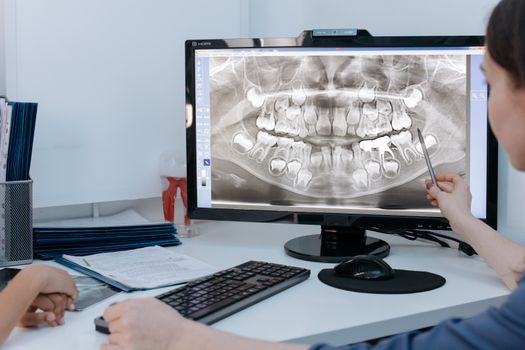
The first step in having a dental crown placed includes an assessment. This may involve X-rays as well as a general examination before the crown work can begin. During this part of the visit, your dentist examines the tooth and the supporting structures to understand the extent of the damage and to confirm that a crown is the right treatment.
X-rays help the dentist evaluate the tooth and the supporting structures around it. Problems that are not visible during a routine look, such as decay or cracks beneath the surface, can be identified with imaging. Once the examination is complete and the dentist has a clear picture, the tooth preparation phase can begin.
If you have concerns about the procedure, the first appointment is also the right time to bring them up. Your dentist can walk you through each step and describe what you will feel during the appointment.
Tooth Preparation and Digital Impressions
The procedure starts by removing any tooth decay or damaged areas of the tooth. After the decay is cleared, the dentist does a slight reshaping of the tooth to make room for the crown. The dentist files the tooth down so that the crown will fit comfortably and look natural next to the surrounding teeth. This step is essential because a crown adds thickness, and the underlying tooth must be adjusted to accommodate it.
Once the tooth has been reshaped, the dentist takes digital impressions. These impressions are used to fabricate the permanent dental crown. The details captured during this step help ensure that the final crown will fit snugly and rest comfortably against the neighboring teeth.
The Temporary Crown
Before you leave the first appointment, the dentist places a temporary crown over the prepared tooth. This temporary crown protects the tooth while the dental lab fabricates the permanent dental crown. You will wear this temporary crown until your next visit, when it is removed to make room for the permanent restoration.
The temporary crown plays an important role in your comfort between appointments. It keeps the prepared tooth covered and stable while the permanent crown is being created in the lab.
Final Placement of the Permanent Crown
On the second visit, the permanent dental crown is placed over the prepared tooth. The temporary crown is removed first, and the new crown is positioned and fitted into place. Because the fit of the crown matters for your comfort, the dentist will make sure everything feels right before completing the procedure.
After your procedure, you might be numb. Try to limit eating and drinking until you recover the feeling in your mouth. It is easy to bite your lip or tongue while the area is still numb, so giving yourself time to regain sensation is worth a little patience. Once the numbness wears off, the crowned tooth should feel like a normal part of your smile.
Crown Materials and How Long They Last
Dental crowns can be made from different materials, including metal, resin, and porcelain. Your dentist can discuss which material is right for your situation during your consultation. With proper care, crowns last between five and 15 years.
The right material for you will depend on the tooth that needs the crown and your own preferences. During the exam, your dentist can review the options and explain how each material compares.
Caring for Your Crown and Handling Complications
Complications of a dental crown can include the crown falling off, breaking, or causing pain if it does not fit well. If you experience any of these problems, contact your Westford dentist for an evaluation. A loose or broken crown should be examined promptly so the underlying tooth remains protected.
Routine dental visits give the dentist the opportunity to check the condition of the crown and the supporting structures. Regular checkups help catch small issues before they become bigger ones, which is part of keeping your restoration in good shape for years to come.
Talk to Your Westford Dentist About a Dental Crown
If a filling is no longer enough to support your tooth, or if your dentist has recommended a crown during a recent exam, the next step is a thorough evaluation. During the first appointment, the tooth and its supporting structures will be examined, X-rays will be taken if needed, and the process will be explained in detail.
The team at Cornerstone Dental Group in Westford can answer your questions about the dental crown procedure. From the first X-ray to the final placement, the goal is to make the experience comfortable and the result long-lasting.
Frequently Asked Questions
Is getting a dental crown painful?
The dentist numbs the tooth and the surrounding area before preparing it, which keeps the procedure comfortable. After the procedure, you might remain numb for a while, so your dentist will advise you to limit eating and drinking until the feeling returns. This lowers the chance of accidentally biting your lip or tongue.
Can a tooth still rot under a crown?
When placing a crown, the dentist first removes any tooth decay or damaged areas before reshaping the tooth, which helps the crowned tooth start from a clean state. Even so, a crown can develop complications over time, including falling off, breaking, or causing pain if it does not fit well. Regular checkups allow your dentist to inspect the crown and the tooth beneath it.
Why do dentists recommend crowns instead of fillings?
A dentist may recommend a dental crown when a filling is insufficient or a tooth is malformed. Crowns protect, cover, and restore the tooth’s structure, and they can strengthen the tooth and extend its life. This makes crowns a better option when a tooth has too much damage for a filling alone to hold it together.
Get the Right Care for Your Dental Crown
A dental crown can restore a damaged tooth, improve its appearance, and provide the strength it needs for everyday chewing. Understanding each step, from the initial examination and tooth preparation to the placement of the permanent crown, can make the process feel much more manageable.
If you have a cracked, weakened, severely decayed, or worn-down tooth, Cornerstone Dental Group in Westford can help you determine whether a dental crown is the right solution. Schedule an evaluation today to discuss your tooth, explore your treatment options, and take the next step toward a stronger, healthier smile.