
A crown that shifts, clicks, or falls off creates an immediate question. Can the crown you already have be cleaned and cemented back into place, or does the tooth underneath need a brand new restoration? The answer depends almost entirely on the condition of two things: the crown itself and the tooth structure beneath it. Understanding how that decision gets made helps you ask better questions at your appointment and avoid a fix that fails a few weeks later.
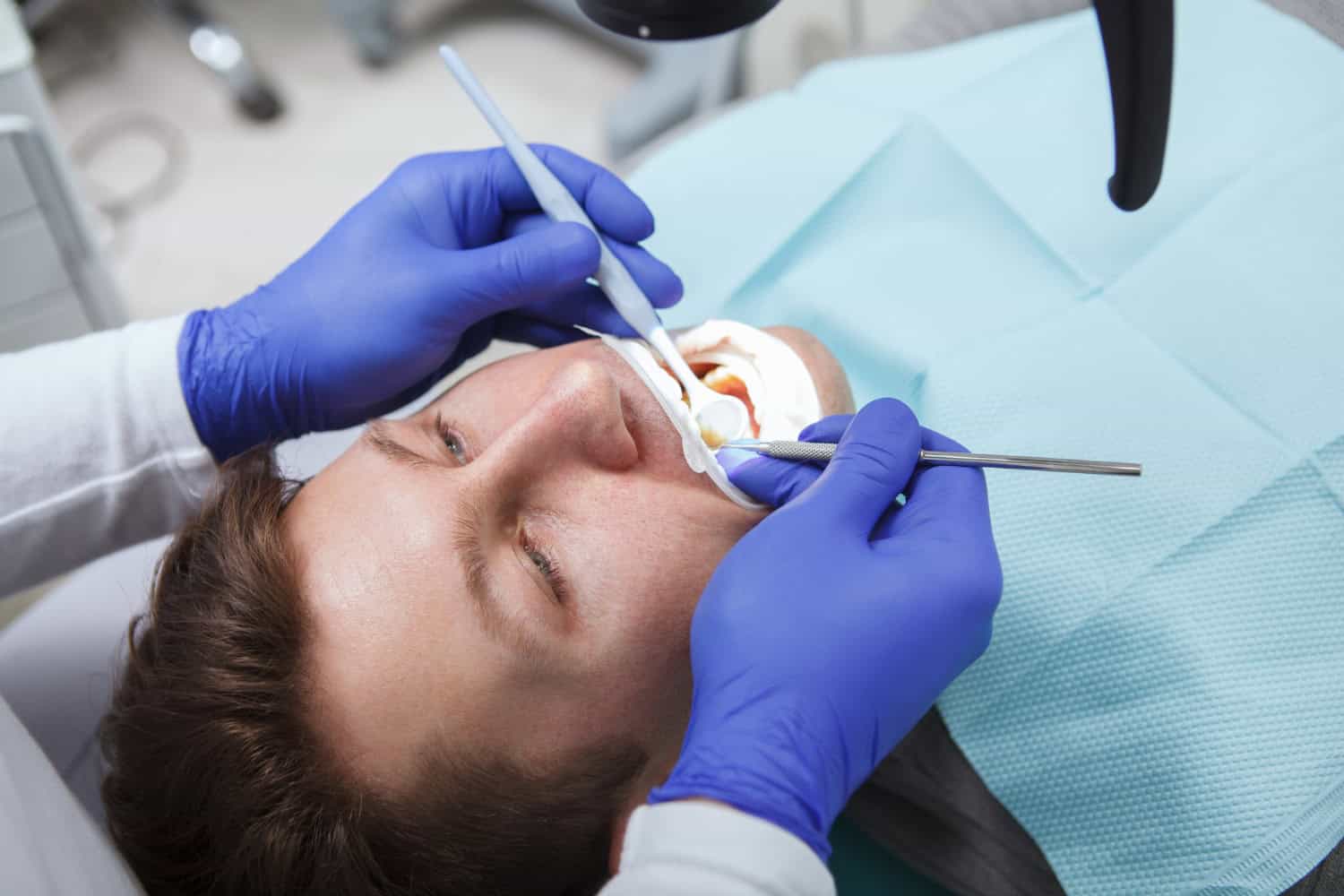
What Recementing a Crown Actually Involves
Recementing is the more conservative option. When a crown is loose and has come off, it should be removed, cleaned, and recemented back in. The crown is taken off the tooth, checked, and then bonded back onto the prepared tooth structure with fresh cement.
There is a reason dentists prefer to handle this quickly rather than wait and see. While the crown is off, the tooth structure underneath is exposed. That window is when the tooth is most vulnerable to the bacteria, food particles, and pressure that a loose or missing crown no longer blocks.
If the crown and tooth remain in good condition, cleaning the area and recementing the crown may be the entire treatment. No new impression, no new laboratory work, no reshaping of the tooth.
When Recementing Is Usually the Better Choice
Recementing tends to make sense when the problem is the cement and not the restoration. The most common signs that a crown can simply be reattached include:
- The crown itself is intact, with no fracture or visible damage
- The tooth structure underneath is sound, with no new decay
- The fit has not changed, so the crown still seats the way it originally did
- The crown clicks or feels loose when biting, but the crown and underlying tooth are both sound
- The crown came off in one piece and you still have it
That last point matters more than people expect. Clicks and looseness are often solved by recementing when the underlying tooth is healthy. In those cases, the crown is doing its job and the cement simply wore out or washed away over time, which is a normal part of a restoration aging.
When a New Crown Makes More Sense
Replacement becomes the better path when something other than the cement has changed. According to clinical guidance, a crown may need to be replaced because of crown fracture, decay at the crown margin, wear on the crown, or natural gum recession that shifts where the crown meets the tooth. Gum recession associated with poor oral hygiene is one of the drivers behind that last category.
Cracks deserve their own note. Small cracks can often be repaired with bonding, but severely damaged crowns typically need replacement to restore full function and appearance. If the crown or the abutment fails, the restoration may need to be completely replaced.
There is also a diagnostic category that surprises patients. A clicking crown can sometimes point to decay rather than a cement problem, which changes the treatment plan entirely. That is why a dentist examines and images the tooth before deciding, instead of reattaching whatever the patient brings in.
Crown Replacement vs Recementing at a Glance
| What the dentist finds | Recement | Replace |
|---|---|---|
| Crown and underlying tooth both sound | Usually the right option | Not needed |
| Crown clicking when biting, tooth sound | Often resolves the problem | Not needed |
| Decay at the crown margin | Insufficient on its own | Typically required |
| Crown fracture | Not possible if the crown is damaged | Typically required |
| Crown worn down over time | Fit may no longer be accurate | Frequently required |
| Gum recession shifting the crown margin | May not seat correctly | Often required |
Why the Tooth Underneath Matters Most
Patients tend to focus on the crown because it is the part they can see and hold. Clinically, the tooth underneath is the deciding factor. A crown is a cap, and a cap is only as good as the foundation it sits on.
A loose crown, even one that has not fallen off yet, leaves the tooth underneath more exposed to damage. A loose fit can let bacteria, food particles, and pressure reach areas that a well-seated crown would protect. Chewing can also feel awkward, which nudges people into favoring the other side of the mouth without realizing it.
Why waiting rarely works in your favor
Early treatment is usually simple and helps prevent more involved problems later. A crown that could have been recemented this month may need full replacement in a few months if decay develops at the margin in the meantime. The cost in time, appointments, and complexity tends to grow, not shrink, with delay.
What to Do If Your Crown Comes Off
The guidance is straightforward. A crown that is loose and has come off should be removed, cleaned, and recemented back in by a dentist. Keep the crown safe and contact your dental office to be seen.
Between now and your appointment, treat that side of your mouth gently. Eating hard, crunchy, sugary, or sticky foods can damage, destabilize, or dislodge a crown, which is exactly the situation you are trying to avoid repeating. If the tooth is sensitive in the meantime, that is a sign the exposed structure needs attention sooner rather than later.
Questions Worth Asking at Your Exam
You will get more out of the appointment if you arrive with specific questions. These are the ones that usually shape the treatment decision:
- Is the tooth structure underneath the crown still sound, or is there new decay?
- Has decay reached the crown margin?
- Is the crown itself fractured, worn, or otherwise compromised?
- Has the fit changed because of gum recession or wear?
- If we recement today, what should I watch for that would tell us replacement is needed?
- Are there any cosmetic concerns, such as the crown no longer matching the neighboring teeth?
Crowns serve both restorative and cosmetic purposes. A severely weakened tooth may need one for protection, while a misshapen or otherwise irregular tooth may be crowned for appearance. If your crown is being replaced anyway, that is a natural moment to talk about shade and shape as well as function.
How Crowns Hold Up Over Time
Crowns are durable, but they are not permanent. With the right care, they can last anywhere from five to fifteen or more years. What shortens that range is usually a combination of eating habits, hygiene, and gum health.
Gum recession caused by poor oral hygiene is one of the reasons crowns eventually need replacement, because the margin where the crown meets the tooth shifts as the gum line moves. That makes everyday hygiene and regular professional cleanings part of protecting the restoration, not just the teeth around it. Avoiding hard, crunchy, sugary, and sticky foods reduces the odds of fracturing or loosening a crown in the first place.
Getting the Diagnosis Right in Westford
Whether a crown can be recemented or needs to be replaced comes down to a careful diagnosis, and that starts with a proper look at the tooth underneath. Cornerstone Dental Group is a private boutique practice in Westford, Massachusetts, serving patients in Lowell, Chelmsford, Nashua, Tyngsborough, Acton, and Ayer. The practice combines restorative and cosmetic dentistry with technology such as iTero Lumina scanning and AI-assisted diagnostics, which help document the fit and condition of a restoration before any decision is made. You can learn more or schedule a visit at smilewestford.com.
Frequently Asked Questions
Can a loose dental crown simply be recemented?
Often, yes. If the crown and the tooth underneath are in good condition, the dentist may clean the area and recement the crown, which can resolve the problem. The decision still depends on the diagnosis. When decay, fracture, or wear has changed the fit, recementing alone is not a durable fix.
How long can a recemented crown last?
That varies, and no single timeline applies, so ask your dentist what to expect for your specific tooth. What the available guidance does say is that crowns overall can last five to fifteen or more years with the right care. A recemented crown’s lifespan depends on the fit, the health of the tooth underneath, and your daily habits.
Does a cracked crown always need to be replaced?
Not always. Small cracks can often be repaired with bonding, but a severely damaged crown typically needs replacement to restore full function and appearance. If the crack has changed the fit or affected the tooth underneath, a new crown is usually the more predictable option. Your dentist can confirm which situation applies after an exam.
Is it painful to have a crown replaced?
Comfort depends on the condition of the tooth underneath and the treatment required, so your dentist is the best person to answer this for your situation. The guiding principle is that early treatment is usually simpler and helps prevent more involved problems later. Waiting on a damaged or loose crown gives bacteria, food particles, and pressure more time to affect the tooth.
Should I try to put my crown back on myself?
It is better to let a dentist handle it. Guidance is consistent that a crown which is loose and has come off should be removed, cleaned, and recemented back in, which is a clinical step rather than a home remedy. While the crown is off, the tooth structure underneath is exposed, so contact your dental office and ask how soon you should be seen.