
Porcelain crowns and porcelain veneers are two of the most effective ways to improve the look of damaged, discolored, or misshapen teeth. Both use tooth-colored ceramic materials, and both can create a dramatic smile transformation. Yet they solve different problems, and the right choice depends on the health of your tooth, the amount of natural structure remaining, and the result you want to achieve.
The key difference is straightforward: a veneer covers only the front of a tooth, while a crown covers the entire tooth. That one distinction shapes everything else, from how much enamel is removed to how durable the final restoration will be.
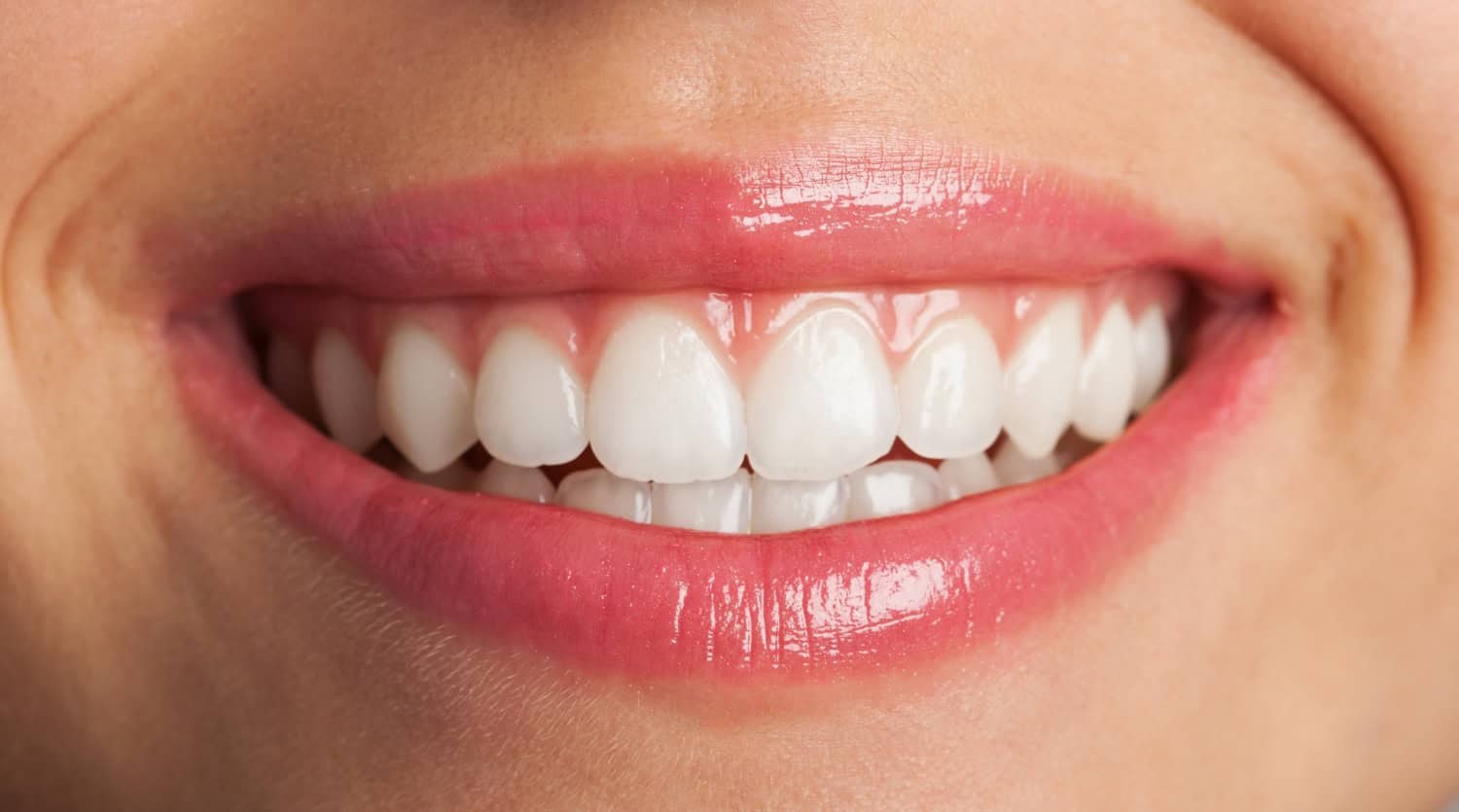
What Is a Porcelain Veneer?
A porcelain veneer is a thin shell bonded to the front surface of a tooth. Because it covers only the visible front portion, it is best suited to teeth that are structurally sound but have cosmetic issues such as discoloration, chips, small gaps, or uneven shape.
Veneers require less filing compared to crowns, so more of your natural tooth is preserved. This conservative approach is one of the main reasons veneers are often recommended for people who want a cosmetic upgrade without sacrificing healthy enamel.
Porcelain veneers are highly durable and resistant to staining, making them a dependable option for the smile zone. In many cases, they also offer a highly aesthetic result, since they can be designed to mimic the natural look of tooth enamel.
What Is a Porcelain Crown?
A porcelain crown, often simply called a crown, is a cap that fits over the entire tooth. Unlike a veneer, which covers only the front, a crown surrounds the whole tooth above the gum line. This full coverage makes crowns the stronger restoration in many situations.
Crowns are typically used when a tooth has significant damage, decay, or structural weakness that a veneer cannot address. Because the crown encases the entire tooth, it helps hold the remaining structure together and protects the tooth from further breakdown.
Due to their full coverage design, crowns are generally more durable than veneers. They may also offer better long-term value in some cases, especially when they help a patient avoid more extensive dental work later.
Porcelain Crowns vs Veneers at a Glance
| Feature | Porcelain Veneer | Porcelain Crown |
|---|---|---|
| Coverage | Front surface of the tooth | Entire tooth |
| Tooth preparation | Requires less filing, preserves more natural tooth | Requires more reshaping to fit around the full tooth |
| Durability | Highly durable and stain resistant | Generally more durable due to full coverage |
| Best use | Cosmetic improvements to otherwise healthy teeth | Restoring damaged, decayed, or weakened teeth |
| Cost | Slightly less expensive per tooth in straightforward cosmetic cases | May offer better long-term value if it prevents further treatment |
Which Option Is Better for Front Teeth?
Front teeth are the most visible part of a smile, so it is natural to want the best possible result there. Both veneers and crowns can deliver excellent outcomes, and dentists often explain the difference between them using real patient cases. The right choice comes down to the health and structure of the tooth.
If a front tooth is mostly healthy and the problem is cosmetic, a veneer is usually the preferred starting point. It preserves more natural tooth structure, requires less filing, and can look exceptionally natural. Porcelain veneers are also resistant to staining, which helps them stay bright in the visible area of the smile.
If a front tooth is badly damaged, has a large old filling, or has been weakened by decay, a crown is often the more reliable option. A veneer only protects the front surface, so it cannot provide the structural reinforcement that a compromised tooth needs.
Durability and Longevity
Both porcelain veneers and porcelain crowns are known for their durability. That is one reason porcelain materials are so widely used in cosmetic and restorative dentistry. Composite veneers, by contrast, may need to be replaced sooner than their porcelain counterparts.
Crowns, however, are generally more durable than veneers because of their full coverage design. When the entire tooth is encapsulated, biting forces are distributed more evenly, and the natural tooth underneath is better protected from cracking or breaking.
Longevity also depends on personal factors. Oral hygiene habits, regular dental checkups, and the way you use your teeth all affect how long a restoration lasts. With good care, both crowns and porcelain veneers can provide years of service.
How Much Natural Tooth Is Removed?
Preserving natural tooth structure is a priority in modern dentistry, and this is one of the clearest differences between the two options.
Veneers require less filing compared to crowns, so more of the natural tooth is saved. That makes veneers a more conservative treatment for patients who have enough healthy enamel to support them.
Crowns require more reshaping because the restoration must fit over the entire tooth. In cases where the tooth is already damaged or heavily restored, that additional reduction is often necessary to create a stable foundation for the crown.
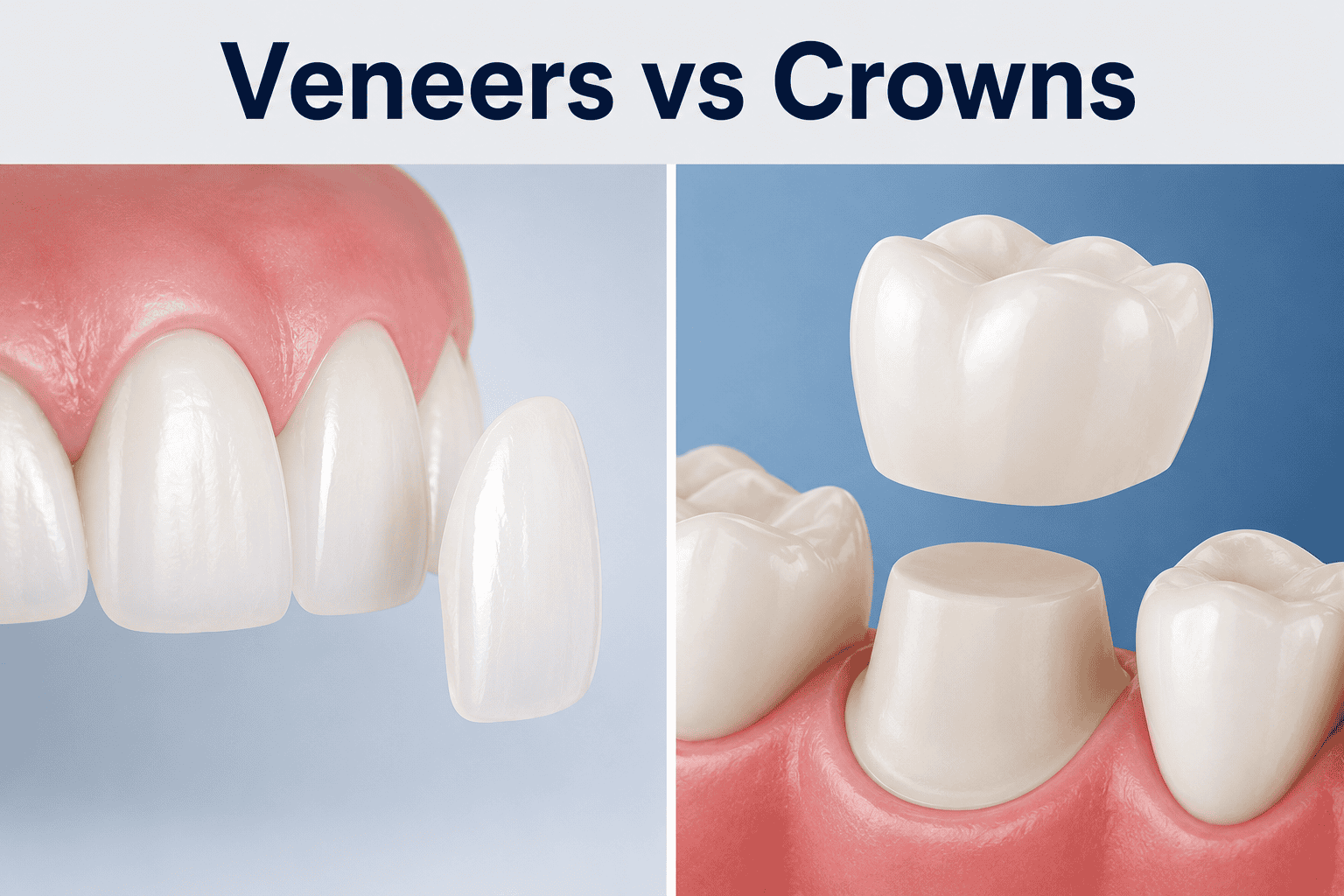
Veneers vs Crowns: Choosing the Right Treatment
Choosing between veneers and crowns depends largely on the condition of the tooth and the results you want to achieve. Veneers are often considered when the tooth is structurally healthy but has cosmetic concerns such as discoloration, minor chips, or changes in shape.
Crowns provide more coverage and may be recommended when a tooth has significant damage, decay, large fillings, or weakened structure. By covering the entire visible portion of the tooth, a crown can provide additional protection and support.
Your dentist can evaluate the condition of your teeth and recommend the option that best fits your oral health needs, functional concerns, and desired smile appearance.
Signs That a Crown May Be the Better Choice
Veneers are not right for every tooth. Since a veneer covers only the front surface, it cannot support a tooth that is badly broken down. Teeth with extensive decay, large existing fillings, deep cracks, or weakened structure are often better candidates for crowns.
Your dentist will evaluate how much sound tooth structure remains. If there is not enough healthy enamel to support a veneer, a crown is usually the recommended path. Choosing a crown in that situation helps protect the tooth and can prevent the need for more complex treatment later.
Making the Decision With Your Dentist
The decision between porcelain crowns and porcelain veneers is highly personal. It depends on your smile goals, the condition of each tooth, and what will hold up best over time. Some patients even benefit from a combination approach, with veneers on some teeth and crowns on others.
During an evaluation, a dentist considers the health and structure of each tooth, the reason for treatment, and the aesthetic outcome you want. A treatment plan built around your specific needs is more likely to deliver results that look natural and last.
Frequently Asked Questions
Here are answers to common questions patients ask when comparing porcelain crowns and porcelain veneers.
Are veneers cheaper than crowns?
Veneers may be a suitable option for straightforward cosmetic concerns, while crowns may be recommended when a tooth needs greater protection or structural support. The right choice depends on the condition of your tooth, your oral health needs, and your treatment goals. Your dentist can recommend the most appropriate option based on your specific situation.
Do crowns last longer than veneers?
Crowns are generally more durable than veneers due to their full coverage design, which may translate to a longer lifespan in many cases. Both porcelain veneers and porcelain crowns are known for their durability, while composite veneers may need to be replaced sooner. Proper oral hygiene and routine dental care also play a major role in longevity.
Do veneers require less tooth removal than crowns?
Yes. Veneers require less filing compared to crowns, so more of your natural tooth is saved. That is one of the main reasons veneers are often recommended for cosmetic improvements on front teeth that are otherwise healthy. Crowns require more reshaping because they must fit over the entire tooth rather than only the front surface.
Which is better for front teeth, a crown or a veneer?
It depends on the health and structure of the tooth. If a front tooth is mostly healthy and the concern is cosmetic, a veneer is often the preferred choice because it preserves more natural tooth and looks highly aesthetic. If the tooth is significantly damaged, decayed, or weakened, a crown may be needed to protect it and provide lasting support.
Conclusion
Porcelain crowns and veneers can both enhance your smile, but they serve different purposes. Veneers are ideal for healthy teeth with cosmetic imperfections, while crowns cover and protect teeth that are damaged, weakened, or heavily restored. The right option depends on your tooth’s condition and aesthetic goals. Cornerstone Dental Group can evaluate your smile, explain your options, and recommend the right treatment. Contact Cornerstone Dental Group today to take the next step toward a healthier, more confident, and beautiful smile.