
A damaged or decayed tooth can affect more than your smile. It can make chewing uncomfortable and leave you feeling self-conscious about how your teeth look. When the damage is too significant for a simple filling, a dental crown is often the best way to protect the tooth and keep it functioning normally. The crown acts as a protective cap that covers the remaining natural tooth structure. Among the many materials available, porcelain stands out because it offers the look and feel of a natural tooth. You may be wondering if the extra effort is justified. Are porcelain crowns worth it? For many patients, the answer is yes, especially when the goal is to preserve a tooth while keeping the smile looking natural and healthy.
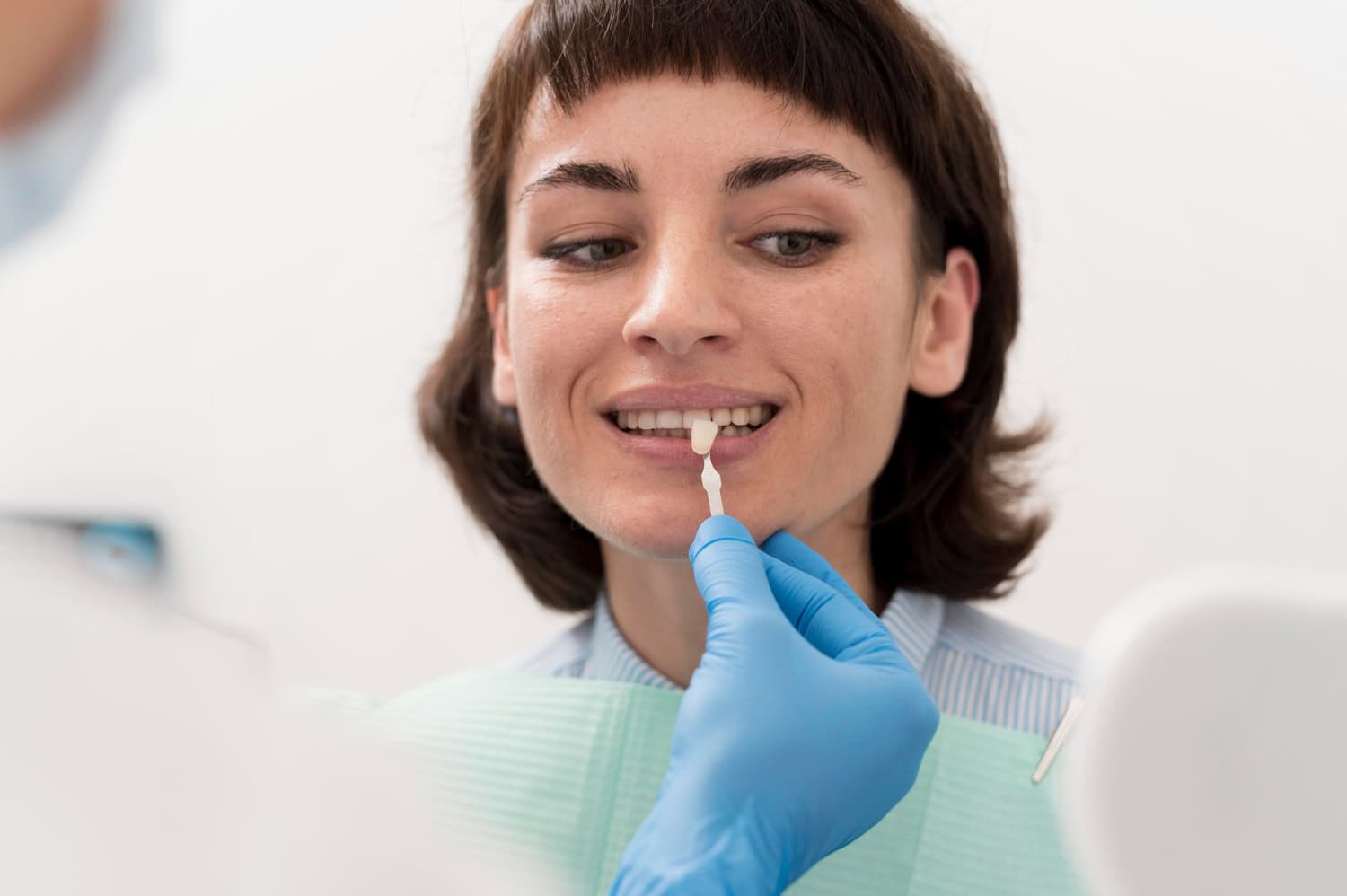
What Is a Porcelain Crown and Why Is It Used?
A dental crown is a tooth-shaped cap that fits over the visible part of a damaged tooth. Its job is to restore the shape, size, and function of a tooth that can no longer support itself. When a tooth has become badly decayed or damaged, a dentist often recommends a crown because it helps protect the natural tooth root below the surface.
The reason a dental crown is needed is to help repair a badly damaged or decayed tooth. Because the crown is able to protect the natural tooth root, it is usually recommended by a dentist when the tooth has become too weak to function safely on its own. Porcelain crowns are made from a ceramic material that closely mimics natural tooth enamel. Because they can look almost identical to natural teeth, they are an excellent option for people who want to be discreet about their dental work.
Patients who are getting a dental crown will quickly learn that there are three primary types of crowns: all-porcelain, porcelain-fused-to-metal, and metal. Each type has its own strengths, and the right choice depends on the condition of the tooth, its location in the mouth, and your personal goals for your smile.
The Benefits That Make Porcelain Crowns a Smart Investment
Dentists point to several clear benefits when explaining why porcelain crowns are worth the investment. These advantages go far beyond appearance.
- Natural aesthetic: Porcelain crowns can look almost identical to natural teeth, which makes them ideal for restoring highly visible teeth. This is a major advantage for anyone who wants a discreet restoration.
- Strength and durability: A porcelain crown is a sturdy restoration built to handle the normal wear of chewing and biting. Depending on the type, some porcelain crowns also offer better fracture resistance than others.
- Improved functionality: Once the crown is in place, the repaired tooth can function normally again, allowing you to eat and speak with confidence.
- Preservation of natural tooth structure: A crown helps protect the tooth root and the remaining structure of a tooth after damage or decay, reducing the risk of future problems.
- Non-porous material: Porcelain is non-porous, a quality that is considered a benefit for a dental restoration placed in the mouth.
Getting a porcelain dental crown is a worthwhile decision for many patients. Dental professionals describe it as a long-term investment that can help you achieve a beautiful smile. That investment buys more than a repaired tooth. It also gives you a restoration that continues to look natural over time, which matters most when the crown is placed near the front of the mouth.
How Porcelain Crowns Compare to Other Crown Materials
Understanding how porcelain stacks up against other materials will help you make an informed decision. The table below shows a quick comparison of the most common crown types.
| Crown type | What it is made of | What to know |
|---|---|---|
| All-porcelain crown | Made entirely from dental porcelain | Looks almost identical to natural teeth; ideal for highly visible teeth |
| Porcelain-fused-to-metal | A metal structure covered by porcelain | More durable than all-porcelain; offers better fracture resistance in some cases |
| Gold crown | A metal crown option | A metal alternative that is part of the crown material conversation |
Porcelain-fused-to-metal crowns sit between all-porcelain and metal options. They have a metal structure covered by a layer of porcelain, which gives them extra durability. In fact, this type of crown is more durable than an all-porcelain crown, and it offers better fracture resistance. Porcelain-fused-to-metal crowns are also more affordable than some other options, which makes them a practical choice for many patients.
Despite those advantages, all-porcelain crowns remain the preferred material when appearance is the top priority. Because they can look almost identical to natural teeth, they are ideal for restoring highly visible teeth. A dentist will help you weigh the durability of a metal base against the natural look of all-porcelain, depending on where the crown will be placed.
How Long Do Porcelain Crowns Last?
Longevity is a key part of whether a crown is worth the investment. With proper maintenance, porcelain crowns can last over 15 years. That makes them a long-term solution rather than a temporary fix. The daily habits that keep your natural teeth healthy also help your crown last as long as possible.
The non-porous quality of porcelain is an important detail for long-term performance. Since the material does not easily absorb the things it comes into contact with, it holds up well in the mouth. Regular brushing, flossing, and routine dental visits all contribute to the lifespan of the crown and the health of the tooth underneath.
Making the Right Choice for Your Smile
Porcelain crowns are especially well suited for people who want a restoration that looks completely natural. If the damaged tooth is in a highly visible part of the smile, porcelain is often the recommended choice because of the way it mirrors natural enamel. Patients who value a discreet appearance tend to find porcelain crowns worth the investment.
At the same time, a dentist will consider how much natural tooth structure remains and how the crown will function during everyday use. No single crown material is perfect for every situation. The decision should be made together with a dental professional who understands your history, your bite, and your smile goals. Your dentist can explain the trade-offs of each material and help you choose the one that fits your needs. If you are in the Westford, Massachusetts area, the team at Cornerstone Dental Group can help you determine whether a porcelain crown is the right option for your tooth.
Why Choose Cornerstone Dental Group for Porcelain Crowns?
Choosing the right dentist is an important part of getting a successful dental crown. At Cornerstone Dental Group, patients can receive personalized care based on the condition of their tooth, oral health, and smile goals. The dental team takes the time to evaluate the damaged tooth and explain suitable crown options, including the benefits and limitations of porcelain.
Whether you need to restore a visible front tooth or strengthen a damaged tooth, the goal is to provide a crown that fits comfortably, functions properly, and complements your natural smile. With professional guidance and careful attention to fit and appearance, you can feel more confident about your decision and the long-term value of your restoration.
Frequently Asked Questions
Here are answers to the questions patients ask most often when deciding whether porcelain crowns are worth it.
Are porcelain crowns worth it?
Yes. Getting a porcelain dental crown is worthwhile for most patients. It is a long-term investment that can help you achieve a beautiful smile while protecting a tooth that has been damaged or decayed. For people who want their restoration to look natural, porcelain offers an excellent balance of appearance, strength, and everyday function. The key is to have the crown placed by a dental professional who checks the fit and bite carefully.
How long do porcelain crowns last?
With proper maintenance, porcelain crowns can last over 15 years. That lifespan depends on your daily oral care, the forces placed on the tooth, and routine dental visits. Because porcelain is non-porous, it also holds up well as a material used inside the mouth. Keeping the crown and the natural tooth around it clean is the most reliable way to get the longest life from your restoration.
Which is better: porcelain or porcelain-fused-to-metal?
Porcelain-fused-to-metal crowns have a metal structure covered by porcelain, which makes them more durable than an all-porcelain crown and gives them better fracture resistance in some cases. All-porcelain crowns, by contrast, offer the most natural-looking result. The better choice depends on where the tooth is located and what you value most. For a front tooth, appearance often wins. For a back tooth that handles heavy chewing, durability may be the priority.
Are porcelain crowns good for front teeth?
Yes. Porcelain crowns are ideal for restoring highly visible teeth because they can look almost identical to natural teeth. This makes them a popular choice for the front of the mouth, where appearance matters most. A porcelain crown allows you to repair a damaged or decayed tooth without making it obvious that you have dental work. Your dentist can confirm whether a full porcelain crown is the best option for your specific tooth.