
An overbite is one of the most common bite problems that brings people to a dental office. If your upper front teeth overlap your lower front teeth more than they should, you might assume that traditional braces are the only answer. The good news is that clear aligners can correct an overbite in many cases. Invisalign, one of the most widely used clear aligner systems, is designed to treat mild to moderate overbites by moving the teeth into better positions. For Westford residents exploring their options, understanding how clear aligner treatment works is an important first step.
Understanding Overbite and Deep Bite
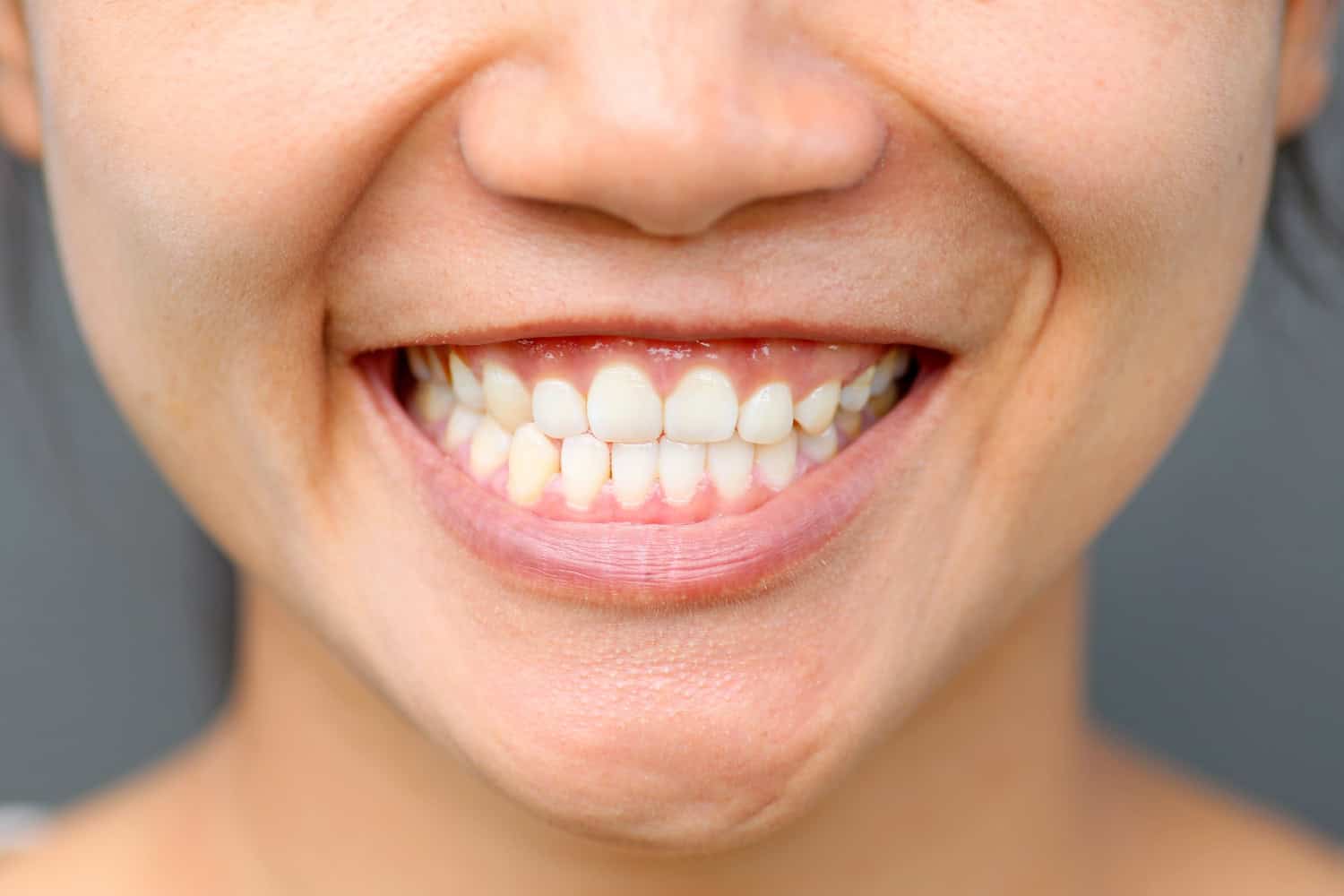
An overbite, also known as a deep bite, describes the amount of vertical overlap between the upper and lower front teeth. A small overlap is normal and healthy. When that overlap becomes excessive, the bite can feel off and the teeth may meet with uneven force. Overbites are part of a broader group of bite issues that includes underbite and crowding. Clear aligners can address several of these conditions, but the right treatment plan depends on the specific nature of your bite problem.
Can Clear Aligners Fix an Overbite?
Yes, for many patients. Clear aligners can effectively fix mild to moderate overbites by using constant, gentle pressure to shift the teeth into proper alignment. Invisalign clear aligners can correct an overbite or deep bite by moving the teeth gradually over time. Invisalign has been successfully used to correct mild to moderate overbites, and many patients achieve a stable result with a combination of aligners, professional monitoring, and consistent retainer use after treatment.
It is important to understand that clear aligners are not a universal solution for every bite problem. Whether clear aligners can fix a given issue depends on the case. Some overbites are straightforward dental problems, while others involve the jaw and may require a different treatment approach. The only way to know where your bite falls is to have it evaluated by a dentist or orthodontist.
Mild to Moderate Overbites Respond Best
Clear aligners are most effective when treating mild to moderate overbites. In these situations, the teeth need to be repositioned within a range that aligner therapy can reliably achieve. Treatment works by delivering steady, focused pressure along a planned sequence of aligner trays. More severe overbites, especially those tied to the jaw structure, may fall outside what clear aligners can do on their own. That distinction is part of why an individualized assessment matters long before any aligners are ordered.
How Does Clear Aligner Treatment Work for Overbite Correction?
Clear aligner treatment begins with a careful evaluation of your teeth and bite. If you are a candidate, a custom sequence of aligners is created for your mouth. Each set of aligners applies constant, gentle pressure to specific teeth, gradually moving them toward the planned position. Over time, the upper and lower front teeth begin to overlap more naturally, which reduces the depth of the overbite. Patients typically change aligners on a schedule set by their dentist, and progress is checked during regular monitoring visits.
How Long Does Invisalign Take to Correct an Overbite?
The timeline for overbite correction with Invisalign depends on the individual case. Treatment time can be around 12 to 24 months for many patients, although some cases may finish more quickly or take longer. The reason for this range is straightforward: every bite is different. The severity of the overbite, the amount of tooth movement needed, and how consistently the aligners are worn all play a role. During an initial consultation, a dentist can give a more personalized timeline based on your specific situation.
What Improvements Can You Expect?
Clear aligners for overbite correction are designed to do more than change how your teeth look in the mirror. When treatment is successful, patients often notice several functional improvements. Common improvements include:
- Better front-to-back tooth overlap
- More balanced biting pressure
- Reduced tooth wear
- An improved smile
These changes tend to appear gradually as the aligners guide the teeth into a healthier relationship. Balanced biting pressure is especially valuable because it protects the teeth from the uneven forces that can contribute to enamel wear over time. A better overlap also makes it easier for the front teeth to function as they should. For many patients, the smile improvement is the most obvious benefit, but the functional gains are just as important.
Dental Overbite vs. Skeletal Overbite: Why the Difference Matters
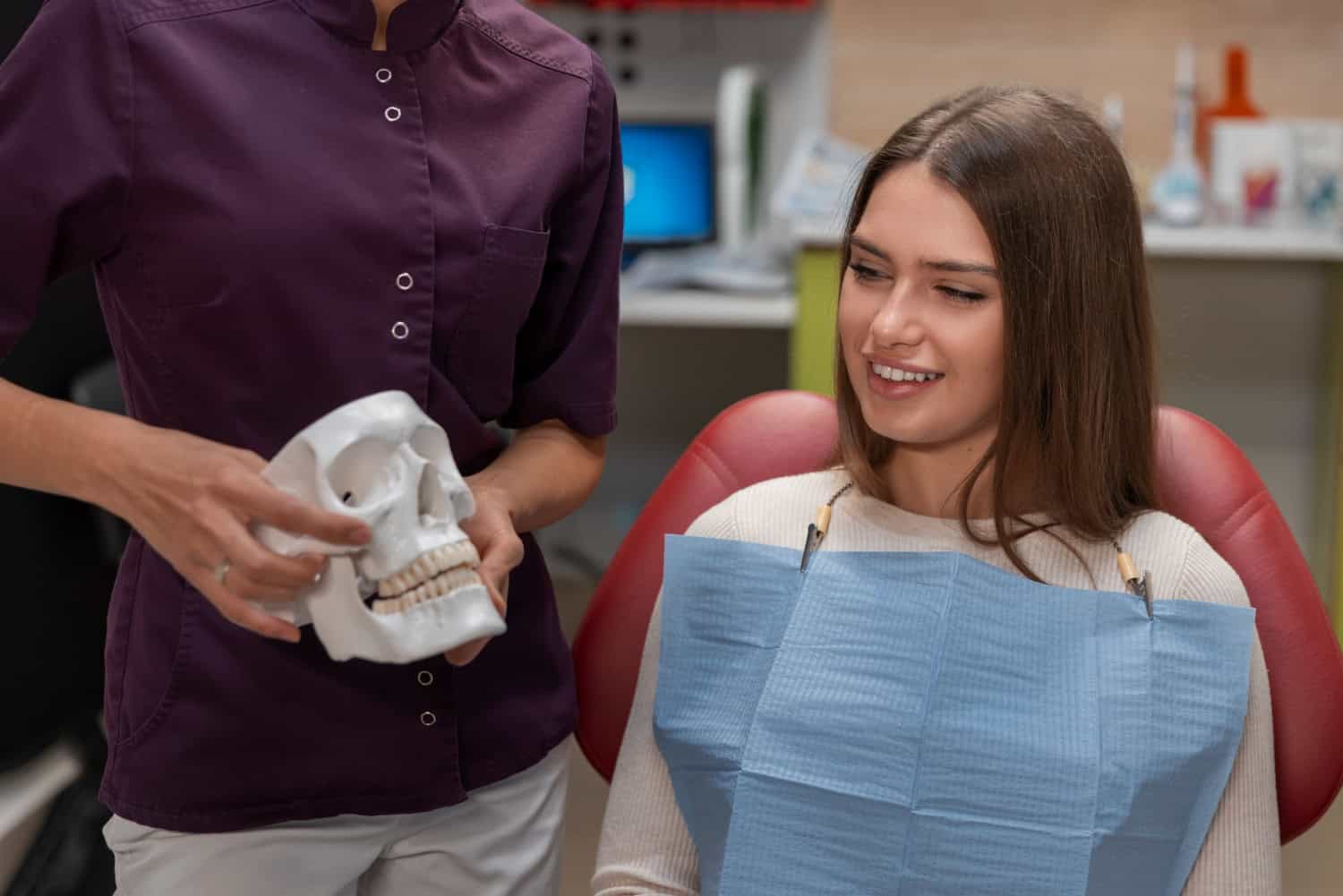
One of the first questions a dentist will ask is whether your overbite is dental or skeletal. A dental overbite is rooted in the position of the teeth themselves. The teeth may be tilted, crowded, or otherwise arranged so that the upper front teeth overlap too far. Clear aligners can correct this type of overbite because they are designed to move teeth.
A skeletal overbite is different. In that case, the jaw structure itself contributes to the excessive overlap, and tooth movement alone may not fully correct the problem. Invisalign can and does fix overbites, but in many mild to moderate cases that correction happens through tooth movement. Whether aligners change the skeleton or the jaw is a more complex question, and it is one your dentist can discuss with you if it applies to your bite.
Clear Aligners Treat More Than Just an Overbite
Clear aligners are often discussed in the context of straightening crooked teeth, but their scope is wider. They can also treat bite issues like underbite and crowding along with the overbite that brought you here. That said, the conditions aligners can and cannot fix depend on the specific case. A dentist evaluates the full picture, including how the upper and lower teeth fit together, before deciding whether aligners or another treatment approach is the better path. During a consultation, you can expect a review of your complete bite, not just the alignment of your front teeth.
Monitoring and Retainers: Two Keys to a Lasting Result
Clear aligners rely on constant, gentle pressure to shift teeth, but a successful overbite correction is not complete the day the last aligner is removed. Many mild to moderate overbites can be corrected with clear aligners, especially when proper monitoring is part of the process and retainer use is taken seriously after treatment. Monitoring visits allow the dentist to confirm that the teeth are tracking as planned. Retainers hold the teeth in their corrected positions so the bite remains stable. Skipping the retainer phase is one of the most common reasons a corrected bite slowly drifts back.
Considering Clear Aligner Treatment in Westford
For adults and teens in Westford, Massachusetts, clear aligners offer a discreet alternative to traditional braces. If your overbite is mild to moderate, there is a strong chance clear aligner treatment can help. The first step is a dental evaluation that includes a look at your bite, a review of your treatment goals, and an honest conversation about what aligners can and cannot do for your specific case. A local dental team can provide that guidance and build a treatment plan around your needs.
Frequently Asked Questions
Here are answers to some of the most common questions patients ask about clear aligners and overbite correction.
Can Invisalign really fix an overbite?
Yes. Invisalign can be successfully used to correct mild to moderate overbites. The aligners apply constant, gentle pressure that gradually moves the teeth into healthier positions. This type of correction works best when the overbite is dental in nature and when the patient follows the treatment plan as directed. A dental exam will confirm whether clear aligners are appropriate for your specific bite.
How long does Invisalign take to fix an overbite?
Treatment time is around 12 to 24 months for many cases, but the exact timeline varies per person. Some overbites require less movement, while others need a longer sequence of aligners. The most accurate answer comes from a dentist who has evaluated your teeth and bite. Consistent aligner wear and good compliance also influence how quickly the overbite correction is completed.
What improvements can I expect after overbite correction?
Common improvements include better front-to-back overlap of the teeth, more balanced biting pressure, reduced tooth wear, and a more harmonious smile. These changes happen gradually as the aligners shift the teeth into better positions. Because every overbite is different, your specific results will depend on your treatment plan, how consistently you wear the aligners, and how well you follow post-treatment retainer instructions.
Why is retainer use important after clear aligner treatment?
Retainer use helps keep the corrected bite stable after active aligner treatment ends. Many mild to moderate overbites can be corrected with clear aligners, and consistent retainer wear after treatment is a key part of protecting that result. Without a retainer, teeth have a tendency to drift back toward their original positions. Following your dentist’s guidance on retainers helps preserve the overbite correction for the long term.