
If you have sensitive teeth, you may worry that whitening treatments will cause discomfort. The good news is that many modern whitening options are designed specifically for sensitive teeth, allowing you to brighten your smile while minimizing irritation. Whether you choose a whitening toothpaste, at-home whitening kit, or professional treatment, there are safe and effective solutions available.
In this guide, we’ll compare the best teeth whitening options for sensitive teeth, explain why sensitivity can occur during the whitening process, and share practical tips to help reduce discomfort. If you’re looking for professional teeth whitening in Westford, Cornerstone Dental Group offers personalized treatment options to help you achieve a brighter smile while keeping your comfort a priority.
Why Teeth Become Sensitive During Whitening
Teeth whitening works by using ingredients like hydrogen peroxide or carbamide peroxide to break down stains on and beneath the surface of your teeth. During this process, these whitening agents can temporarily make the inner layer of the tooth more sensitive. This is why some people notice mild discomfort when eating or drinking something hot or cold after whitening.
Sensitivity is usually temporary and goes away within a day or two. People with naturally sensitive teeth, thin enamel, worn enamel, or receding gums may notice it more than others. Choosing products made for sensitive teeth, following the directions carefully, and avoiding overuse can help reduce discomfort. If sensitivity is severe or lasts longer than expected, it is best to stop treatment and visit your dentist for an evaluation.
At-Home Whitening Products for Sensitive Teeth
Many over-the-counter whitening products are made specifically for people with sensitive teeth. Choosing the right option depends on your level of sensitivity, whitening goals, and how closely you follow the instructions. Products with lower peroxide concentrations are often a good choice because they can brighten your smile while reducing the risk of temporary discomfort.
Crest 3D White strips Sensitive
Crest 3D Whitestrips Sensitive are designed for people who want a gentler whitening experience. They contain a lower concentration of hydrogen peroxide than many standard whitening strips, helping reduce sensitivity while effectively removing surface stains over time. For the best results, use the strips exactly as directed and avoid leaving them on longer than recommended. If you have significant tooth sensitivity or dental concerns, talk with your dentist before starting any at-home whitening treatment.
Sensodyne Extra Whitening Toothpaste
Sensodyne Extra Whitening Toothpaste is a good option for people who want to whiten their teeth gradually while managing sensitivity. It helps remove everyday surface stains, protects enamel, and contains ingredients that help reduce sensitivity with regular use. Brushing twice a day as directed can help maintain a brighter smile while keeping your teeth comfortable.
Whitebite Pro Teeth Whitening Kit
Whitebite Pro Teeth Whitening Kit is designed to whiten teeth while helping minimize sensitivity. The kit includes a whitening gel along with a remineralizing gel that supports enamel and may help reduce post-whitening discomfort. As with any at-home whitening treatment, it is important to follow the instructions carefully and avoid overusing the product. If you have ongoing tooth sensitivity, consult your dentist before use.
Sensitive White At-Home Teeth Whitening Kit
Sensitive White At-Home Teeth Whitening Kits are another option for people looking to brighten their smile without causing unnecessary discomfort. These kits are typically formulated with sensitive teeth in mind and can help reduce surface stains when used consistently. Following the recommended application schedule and maintaining good oral hygiene can help you achieve the best results while minimizing sensitivity.
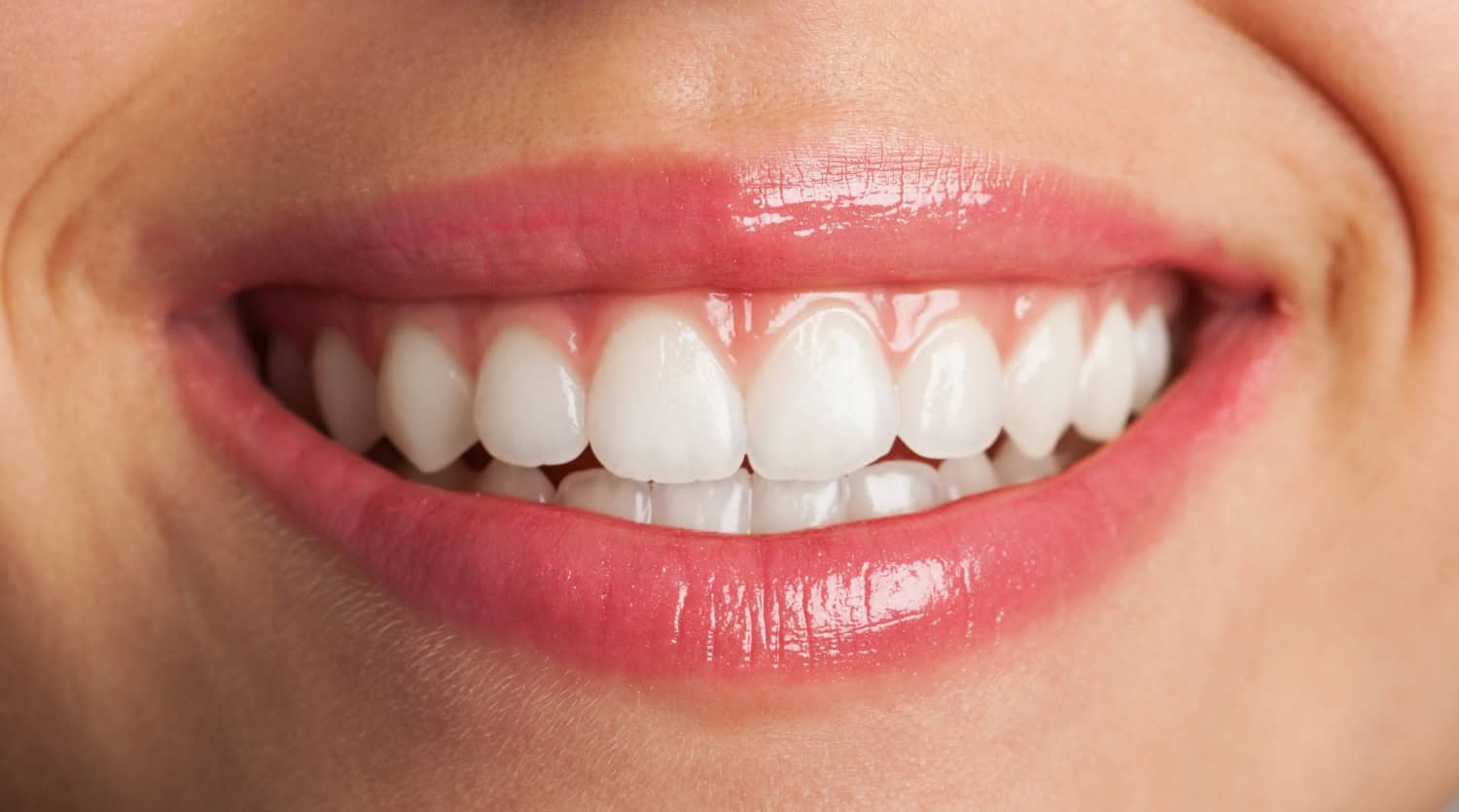
Professional Teeth Whitening for Sensitive Teeth in Westford
If you have sensitive teeth, professional whitening may be a safer and more comfortable option than trying treatments on your own. Before recommending whitening, your dentist will examine your teeth and gums to make sure the treatment is appropriate for your oral health. They can also customize the whitening process based on your level of sensitivity and smile goals.
Professional teeth whitening is carefully monitored to help minimize discomfort while delivering noticeable results. Your dentist may also recommend products or aftercare tips to reduce temporary sensitivity and help you maintain a brighter smile after treatment.
What to Expect at Cornerstone Dental Group
At Cornerstone Dental Group in Westford, MA, patients with sensitive teeth receive personalized care based on their individual needs. Before starting treatment, your dentist will evaluate your oral health and discuss the whitening option that is right for you. The practice also uses advanced technology, including AI diagnostics and iTero scanning, to support accurate treatment planning and a more comfortable patient experience.
If you have sensitive teeth, your dentist can recommend the most appropriate whitening approach and provide guidance to help reduce temporary sensitivity before and after treatment. Throughout the process, the focus is on helping you achieve a brighter smile safely while keeping your comfort a priority.
Professional vs. At-Home: A Comparison
| Feature | Professional Whitening | At-Home Kits |
|---|---|---|
| Strength of whitening agent | Higher concentration, carefully controlled by dentist | Lower concentration (e.g., 5.25% hydrogen peroxide in Crest Sensitive) |
| Customization | Custom-fitted trays and tailored gel strength | One-size-fits-most trays or strips |
| Desensitizing support | Desensitizing gels, potassium nitrate, fluoride | Some products include remineralizing gel; separate desensitizing toothpaste may be needed |
| Speed of results | Faster (often noticeable after one in-office session) | Slower (weeks of daily use) |
| Risk of irritation | Lower due to professional oversight | Higher if product is not used correctly |
Tips to Minimize Sensitivity During Whitening
Whether you choose an at-home whitening product or a professional treatment, these simple tips can help reduce sensitivity and make the process more comfortable:
- Choose a gentle whitening product: Products designed for sensitive teeth or those with lower peroxide concentrations may help minimize temporary discomfort.
- Avoid acidic foods and drinks: Citrus fruits, soda, and other acidic beverages can temporarily weaken enamel, making teeth more sensitive during whitening.
- Use a toothpaste for sensitive teeth: Brushing with a toothpaste formulated for sensitive teeth before and after whitening may help reduce discomfort.
- Follow the recommended treatment time: Avoid leaving whitening products on longer than directed, as overuse can increase sensitivity.
- Take breaks if needed: If your teeth become sensitive, pause your whitening treatment for a day or two before continuing.
- Talk to your dentist: If sensitivity is severe or lasts longer than expected, stop whitening and schedule a dental evaluation to determine the best next steps.
Is Professional Whitening Safer for Sensitive Teeth?
Professional whitening can be a good option for people with sensitive teeth because your dentist can evaluate your oral health and recommend the most appropriate treatment. Throughout the process, they can monitor your comfort and provide guidance to help reduce temporary sensitivity.
If you have ongoing sensitivity or other dental concerns, a professional evaluation is the best way to determine whether teeth whitening is right for you.
Why Choose Cornerstone Dental Group for Teeth Whitening in Westford
At Cornerstone Dental Group, we believe every smile deserves personalized care. Before recommending any whitening treatment, our team evaluates your oral health to ensure the procedure is safe and appropriate for your needs. Using advanced technology, including AI diagnostics and iTero scanning, we create treatment plans focused on comfort, precision, and long-lasting results.
Whether you have sensitive teeth or simply want a brighter smile, our experienced team will recommend the whitening option that best fits your goals while helping you maintain healthy teeth and gums throughout the process.
Conclusion
Sensitive teeth don’t have to stop you from getting a brighter smile. From at-home whitening products to professional treatments, some options can help reduce discomfort while improving your smile. The right choice depends on your sensitivity level and oral health.
If you’re considering professional teeth whitening in Westford, Cornerstone Dental Group can help you choose a safe and effective treatment for your needs.
Frequently Asked Questions
Can I use whitening strips if I have sensitive teeth?
Yes. Many whitening strips are formulated for sensitive teeth and can be used safely when you follow the manufacturer’s instructions. If you experience significant discomfort or sensitivity that lasts beyond a short time, stop using the product and consult your dentist.
How long does it take to see results with professional whitening for sensitive teeth?
Results vary depending on the whitening method and the condition of your teeth. Many patients notice an improvement after a professional treatment, while others may require additional sessions or a customized at-home plan. Your dentist will recommend the best approach based on your smile goals and sensitivity level.
What is the best way to whiten sensitive teeth?
The best option depends on your oral health and the level of sensitivity you experience. Some people achieve good results with whitening products designed for sensitive teeth, while others benefit from professional whitening under a dentist’s supervision.
Are at-home whitening products safe for sensitive teeth?
Many at-home whitening products are designed for sensitive teeth and can be effective when used as directed. Choosing a gentle formula, avoiding overuse, and following the recommended treatment time can help reduce temporary sensitivity.
What should I do if my teeth hurt during whitening?
Stop the whitening treatment and give your teeth time to recover. Using a toothpaste for sensitive teeth and avoiding very hot, cold, or acidic foods and drinks may help reduce discomfort. If the sensitivity is severe or continues for more than a couple of days, schedule an appointment with your dentist.